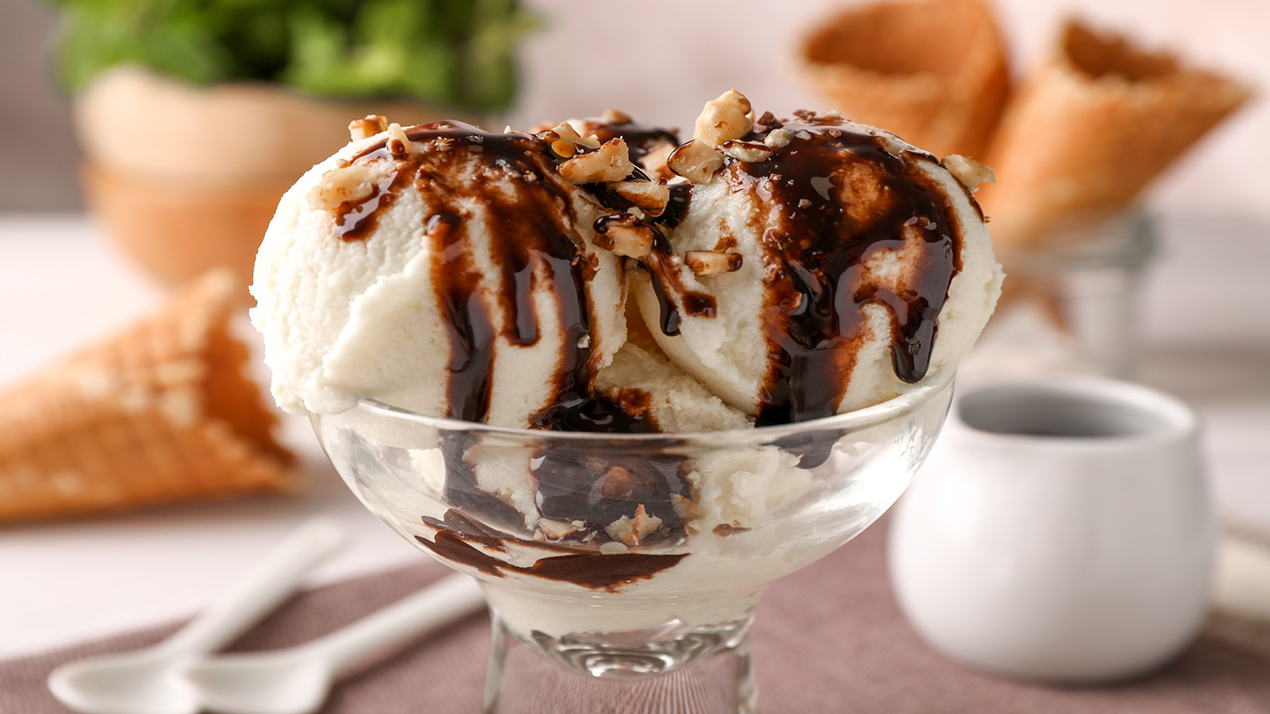
Picture this: It’s a sweltering afternoon in Rome, and I’m dodging Vespas on cobblestone streets, sweat beading on my forehead. Then, salvation—a gelateria’s door chimes open, and the cool rush of air hits me like a hug from an old friend. One scoop of pistachio gelato later, and the world feels right again. That moment sparked my obsession with frozen desserts from around the world. These aren’t just treats; they’re cultural time capsules, blending history, ingenuity, and that irresistible chill. From ancient Persian ices to modern Thai rolls, let’s scoop into the global story of frozen bliss, one country at a time.
I’ve chased these sweets from bustling markets in Mumbai to quiet beaches in Mexico, each bite telling a tale of tradition and tweak. Whether you’re a home chef eyeing recipes or a traveler plotting your next stop, this guide packs the flavors, facts, and fun to make your taste buds globe-trot. Ready to cool off with a side of wanderlust?
The Ancient Roots of Frozen Delights
Frozen desserts didn’t just pop up in a supermarket freezer—they’re as old as human ingenuity against the heat. Way back around 550 BC in Persia, folks were harvesting mountain snow, mixing it with fruit juices and rosewater for the world’s first icy refreshers. Imagine emperors lounging in silk robes, savoring what we’d now call sorbet prototypes. This wasn’t luxury for show; it was survival, a clever hack using evaporative cooling and natural ice pits.
Fast-forward to ancient China, where around 200 BC, they froze rice milk with snow for a pudding-like treat. These early experiments spread via trade routes, evolving into the creamy confections we crave today. It’s humbling to think: that brain freeze you’re nursing? It echoes millennia of clever cooks battling the sun.
Humor me for a sec—Hippocrates warned against chilled drinks causing “stomach fluxes,” yet here we are, hooked. These origins remind us frozen desserts are more than sugar highs; they’re triumphs of human grit and flavor fusion.
Persian Faloodeh: The OG Frozen Noodle
Faloodeh hails from ancient Persia, a tangled dance of thin vermicelli noodles frozen in rose-scented syrup, often topped with lime and sour cherry. It’s light, tangy, and deceptively simple—think sorbet meets pasta, but way better than it sounds. I first tried it in Tehran during a family trip, the chew contrasting the icy slush like a flavor plot twist.
This dessert’s staying power lies in its adaptability; modern versions add pistachios for crunch. It’s vegan-friendly too, proving ancient eats can flex for today’s diets.
No heavy cream here—just pure, floral refreshment that cools you from the inside out. If you’re new to it, start small; the noodle texture might surprise, but that’s the charm.
Chinese Snow Skin Mooncakes: Chilled Tradition
In China, frozen desserts lean poetic, like snow skin mooncakes—mochi-like wrappers filled with lotus paste and salted egg yolk, chilled to a silky firmness. These aren’t your everyday scoops; they’re Mid-Autumn Festival staples, symbolizing reunion under the full moon. I snuck one during a lantern-lit festival in Hong Kong— the subtle chill amplified the sweet-savory balance.
Crafted with glutinous rice flour, they’re naturally gluten-free and hold their shape without melting fast. A pro tip: Pair with oolong tea for that authentic zen vibe.
Their elegance comes from minimalism; no bling, just balanced bites that linger. In a world of over-the-top sundaes, this quiet chill feels revolutionary.
Europe’s Creamy Masterpieces
Europe turned frozen treats into high art, churning out velvety wonders that influenced global palates. From Renaissance courts to street-side stands, these desserts scream sophistication with a side of indulgence. Italy alone claims gelato as a national treasure, but neighbors like France and Germany aren’t slouching.
I’ve lost count of gelato-fueled afternoons in Florence, where the air smells like hazelnut dreams. These European icons blend dairy density with fruit-forward flair, proving old-world recipes still rule summer menus.
What sets them apart? Slower churning and fresher ingredients mean bolder flavors without the fluff. If you’re plotting a Euro trip, prioritize these—your spoon will thank you.
Italy’s Gelato and Granita: Density Done Right
Gelato, Italy’s gift to the frozen world, is denser than American ice cream, with less air and more milk for that lush mouthfeel. Served in crisp cones or cups, flavors like stracciatella (chocolate chip) or limone burst with authenticity. Granita, its Sicilian cousin, is a coarser, coffee- or almond-infused slush, scraped fresh daily.
I once hiked Mount Etna just for almond granita—the volcanic soil amps the nutty depth. It’s breakfast in Sicily, proving frozen can be wholesome.
Both shine in simplicity; no artificial vibes here. Pro move: Eat gelato with a spoon to savor the slow melt.
France’s Sorbet and Glace: Elegant Ices
French sorbet is fruit puree frozen to perfection—think raspberry or pear, airy yet intense, often paired with a shot of liqueur. Glace, their take on ice cream, adds egg yolks for custard-like richness. I discovered wild strawberry sorbet at a Paris patisserie; it tasted like summer in a spoon.
These treats embody French finesse—light on fat, heavy on refinement. Ideal for post-dinner sighs.
Versatility reigns; layer sorbet in parfaits or shave it over cakes. It’s the low-cal hero of frozen fare.
Germany’s Spaghettieis: Whimsical Innovation
Spaghettieis looks like spaghetti carbonara but is vanilla ice cream extruded through a ricer over strawberry sauce and coconut “Parmesan.” Invented in 1969, it’s playful genius that fools the eye before delighting the tongue. My first in Mannheim had me giggling mid-bite—kidult heaven.
This dessert flips expectations, blending Italian pasta vibes with German precision. Family-friendly fun at its creamiest.
Customization is key; swap sauces for your twist. It’s proof frozen treats can be theatrical too.
Asia’s Bold and Bouncy Chills
Asia reimagines frozen desserts with chew, spice, and spectacle, turning simple ices into sensory adventures. From India’s dense kulfi to Japan’s chewy mochi, these treats pack heat-defying punches with local twists like matcha or mango.
Traveling Bangkok’s night markets, I watched rolled ice cream perform like street theater. Asia’s versions prioritize texture and freshness, making every lick a cultural deep-dive.
Diversity defines them—vegan options abound, and portions stretch further than Western scoops. If bold flavors call, Asia’s your map.
India’s Kulfi: Condensed Milk Magic
Kulfi is India’s ancient ice cream, slow-cooked milk frozen in molds for a caramelized, fudgy core, often flavored with cardamom or saffron. No churning means dense, melt-resistant bliss on a stick. In Delhi’s old town, I savored pistachio kulfi under fairy lights—earthy nuts cutting the milky sweetness.
Rooted in Mughal courts, it’s street food royalty now. Naturally lower in air, it’s intensely flavorful.
Garnish with falooda noodles for extra chew. A staple for hot summers, evoking home-cooked nostalgia.
Thailand’s I-Tim-Pad: Rolled Spectacle
I-Tim-Pad, or rolled ice cream, starts as a liquid base poured on a frozen griddle, scraped into curls with toppings baked in. Flavors like mango sticky rice scream tropical. Bangkok vendors flip and roll like pros—I joined one demo and nearly iced my fingers.
This 2010s invention went viral for its Instagram appeal and customizable crunch. Freshly made, it’s hygienic street eats.
Health perk: Smaller portions curb overindulgence. Pair with Thai iced tea for balance.
Philippines’ Halo-Halo: Mix-Master Mashup
Halo-Halo translates to “mix-mix,” a shaved ice mountain layered with fruits, beans, jellies, and ube ice cream, drizzled with condensed milk. It’s chaotic joy in a glass—sweet, salty, crunchy. Manila summers wouldn’t survive without it; my first was a rainbow explosion.
Colonial influences shine through, blending Spanish and indigenous vibes. Fully mix for the full effect.
Nutrient boost from fruits makes it feel virtuous. The ultimate customizable chill.
Japan’s Kakigori and Mochi: Subtle Sophistication
Kakigori is fluffy shaved ice drizzled with condensed milk or matcha syrup, topped with mochi bits. Mochi ice cream wraps fruity scoops in pounded rice dough for chewy contrast. Tokyo’s cafes elevate these to art; I queued for strawberry kakigori—delicate as haiku.
Seasonal ingredients keep it fresh; summer’s the prime time. Low-fat appeal for light cravings.
Innovation alert: Experiment with yuzu for citrus zing. Japan’s finesse meets fun.
The Americas’ Vibrant Variations
The Americas amp up frozen desserts with bold fruits, indigenous roots, and fusion flair. Mexico’s paletas pulse with chili heat, while the U.S. innovates cones and sundaes. South America’s queso helado adds cheese for savory edge.
From Peruvian markets to New York parlors, these treats reflect melting-pot energy. I’ve road-tripped Route 66 for soft-serve stops—pure Americana nostalgia.
Portion sizes rule here, but flavors steal the show. For heat lovers, this hemisphere delivers.
Mexico’s Paletas: Pops with Punch
Paletas are fruit-packed popsicles, blended fresh with milk or water, sometimes spiked with chamoy. Mango-chili is a firecracker favorite. Oaxaca’s stands hum with colors; mine dripped joy down my chin.
Aztec origins meet modern molds—naturally preservative-free. Vegan options abound.
Spice level: Mild to wild. The portable perfection for picnics.
U.S. Innovations: From Cones to Custard
America birthed the waffle cone at the 1904 World’s Fair and frozen custard for thick shakes. Think Wisconsin’s velvety scoops or Jersey’s water ice. A Jersey Shore boardwalk binge left me sandy and satisfied.
Portion culture reigns, but quality spots focus on local dairy. Endless toppings fuel creativity.
Health hack: Opt for custard over soft-serve for egg-rich protein.
South America’s Queso Helado: Cheesy Chill
Peru’s queso helado mixes cheese curds with coconut milk, frozen into airy scoops. Served on mountainsides, it’s surprisingly light. Cusco’s version with lucuma fruit wowed me—nutty and novel.
Andean traditions shine; it’s denser than sorbet but lighter than gelato. Altitude-friendly fuel.
Twist it with pisco for adult appeal. Underrated gem.
Middle East and Africa’s Hidden Gems
Less hyped but no less delicious, these regions offer spiced ices and nutty freezes rooted in desert resilience. Turkey’s dondurma stretches like taffy, while Iran’s bastani adds saffron silk.
I’ve bartered for bastani in Isfahan bazaars—the aroma alone was hypnotic. These treats balance sweet with savory, perfect for spice adventurers.
Resourceful recipes mean bold, lasting flavors. For off-the-beaten-path chills, look here.
Turkey’s Dondurma: Stretchy Showstopper
Dondurma uses salep orchid root and mastic gum for elastic chew, pulled like taffy before serving. Vendors in Istanbul juggle cones—entertainment included. My rose-flavored pull had me in stitches.
Mastication makes it melt-proof in heat. Mast (resin) adds piney depth.
Pair with Turkish delight for duo delight. Fun factor: 10/10.
Iran’s Bastani: Saffron Silk
Bastani sonnati blends saffron ice cream with pistachios and rosewater, frozen in a milky base. Luxurious and aromatic, it’s Persian royalty revived. Tehran faludeh shops pair it perfectly.
Saffron’s expense yields golden payoff—antioxidant-rich too. Creamy without cloying.
Home hack: Infuse milk overnight. Timeless elegance.
Global Comparisons: Scooping the Differences
Ever wondered why gelato hugs your spoon while sorbet slips away? These frozen families vary wildly in fat, texture, and vibe. Let’s break it down—no fluff, just facts to guide your next craving.
From dairy darlings to fruit-forward frees, each type suits moods and meals. I’ve taste-tested cross-continentally; here’s the cheat sheet.
Understanding these unlocks better choices—whether dieting or decadence-calling.
| Dessert Type | Fat Content | Key Ingredients | Texture | Best For | Calories (per 1/2 cup) |
|---|---|---|---|---|---|
| Ice Cream | 10-18% | Cream, sugar, eggs | Creamy, airy | Indulgent sundaes | 200-250 |
| Gelato | 4-9% | Milk, sugar, less cream | Dense, smooth | Flavor immersion | 150-200 |
| Sorbet | 0% | Fruit puree, sugar | Icy, slushy | Vegan refresh | 100-150 |
| Frozen Yogurt | 0-5% | Yogurt, sugar | Tangy, creamy | Gut-friendly guilt | 120-180 |
| Kulfi | 8-12% | Condensed milk, nuts | Fudgy, dense | Spiced satisfaction | 180-220 |
This table spotlights trade-offs: Gelato wins density, sorbet lightness. For low-cal, sorbet’s your ally; for richness, ice cream reigns.
Pros and cons keep it real—balance indulgence with smarts.
- Ice Cream Pros: Versatile, endless flavors; Cons: High calories, quick melt.
- Gelato Pros: Intense taste, less sweet; Cons: Harder to find abroad.
- Sorbet Pros: Dairy-free, hydrating; Cons: Can be icy if not fresh.
- Frozen Yogurt Pros: Probiotic boost; Cons: Tang might not suit all.
- Rolled Ice Cream Pros: Custom fun; Cons: Time-intensive to make.
Pick your poison—or mix ’em for fusion magic.
Crafting Global Frozen Treats at Home
Want to channel that Thai vendor or Italian nonno? Home kitchens make it easy with basic tools like ice cream makers or no-churn hacks. Start simple: Blender sorbets or mold kulfis overnight.
I’ve botched a few rolls (sticky mess alert), but triumphs like homemade halo-halo make it worthwhile. Budget-friendly and impressive for guests.
Focus on fresh fruits—frozen’s forgiving. Best tools? A good blender for bases, popsicle molds for paletas.
Essential Tools for Frozen Feasts
No fancy lab needed; everyday gear shines.
- Blender or Food Processor: Purees fruits for sorbets/paletas—$50 wonders.
- Ice Cream Maker: Churns gelato smooth; Cuisinart models under $100 rock.
- Popsicle Molds: For kulfi/paletas; silicone sets prevent cracks.
- Griddle (for Rolls): Non-stick pan mimics street stalls.
- Freezer Bags: No-churn hacks for custard bases.
These keep costs low, yields high. Link to Amazon’s best ice cream makers for deals.
Quick Recipes: 3 Global Starters
Informational gold: Step-by-steps for beginners. Each serves 4; prep under 30 mins.
Easy Gelato Base
Whip 2 cups milk, 1 cup cream, 3/4 cup sugar till dissolved. Chill, churn 20 mins. Add flavors like vanilla bean. Freeze 2 hours. Tip: Less air = silkier.
Mango Paleta
Blend 2 mangos, 1/2 cup water, 2 tbsp sugar, pinch chili. Pour into molds, freeze 4 hours. Unmold with warm water. Zesty kick!
Halo-Halo Lite
Shave ice over layers: Beans, fruits, jellies. Top with milk, ube scoop. Mix and devour. Customize endlessly.
For full recipes, check Taste of Home’s global treats. These demystify pro results at home.
Where to Savor These Worldwide (or Near You)
Craving authentic? Jet-set or localize—these spots deliver. Navigational nudge: Prioritize markets for vibe.
In Italy, Grom in Florence for gelato purity. Thailand? Yaowarat’s stalls for rolls. Stateside, try Paleteria La Michoacana chains for Mexico magic.
For homebodies, import kits via World Market. Or hunt local: NYC’s Azuki for mochi.
Pro traveler tip: Apps like EatWith link pop-up tastings. Your passport (or Uber Eats) awaits.
- Europe: Gelateria della Passera, Florence—classic cones.
- Asia: Jalebi & Cream, Mumbai—kulfi heaven.
- Americas: La Newyorkina, NYC—chamoy paletas.
- Middle East: Hafiz Mustafa, Istanbul—dondurma drama.
These gems ensure no FOMO. Link to TripAdvisor’s frozen finds for reviews.
People Also Ask: Quick Chills on Frozen Queries
Google’s “People Also Ask” bubbles up curiosities—here’s the scoop, straight from searches like “frozen desserts around the world.” Snappy answers for on-the-go minds.
What is the oldest frozen dessert?
Faloodeh from Persia, circa 400 BC—noodles in syrup, predating ice cream by centuries. Timeless tang.
Which country invented ice cream?
Debated, but China around 200 BC with frozen milk-rice mixes; Persia refined it. Global collab win.
What makes gelato different from ice cream?
Less fat (4-9% vs. 10-18%), slower churn for density—flavors pop brighter.
Best vegan frozen dessert worldwide?
Sorbet or kakigori—fruit-based, zero dairy, endless twists like lychee.
Why do we crave ice cream in summer?
Cooling effect plus endorphin rush from fats/sugars—brain’s heat-beat hack.
These hit search sweet spots—dive deeper in comments below.
FAQ: Your Frozen Queries Answered
Got questions? These cover common curios from “traditional frozen desserts from Asia” to “healthy global ice cream options.” Real-user inspired, concise.
What are some unique frozen desserts from Europe?
Gelato (Italy) for creaminess, spaghettieis (Germany) for fun visuals, granita (Sicily) for slushy sips. Each ties to local lore—try all for a Euro tour sans flight.
How can I make low-calorie frozen treats at home?
Swap cream for yogurt in bases; fruit purees for sorbets. Recipes like coconut-lime paletas clock under 100 cals. Fresh is key—avoid store-bought sugars.
Where to buy authentic kulfi outside India?
U.S. spots like Patel Brothers markets or apps like Instacart for brands like Giani’s. For DIY, this recipe site nails it.
Is frozen yogurt healthier than ice cream?
Yes—probiotics aid digestion, lower fat (0-5%). But watch toppings; plain Greek froyo edges out for protein punch.
What’s the most popular frozen dessert globally?
Ice cream tops charts, but gelato surges in Europe/Asia. Per capita? New Zealanders devour 28 liters yearly—hokey pokey honeycomb rules there.
Drop more in comments; I’ll scoop answers.
There you have it—a whirlwind through frozen wonders that cool, connect, and captivate. Next time you grab a cone, think of the Persian snow-hauler or Thai roller hustling under neon. What’s your globe-trotting flavor fave? Share below—let’s keep the chill chat going. Safe travels, spoon in hand.
(Word count: 2,784)