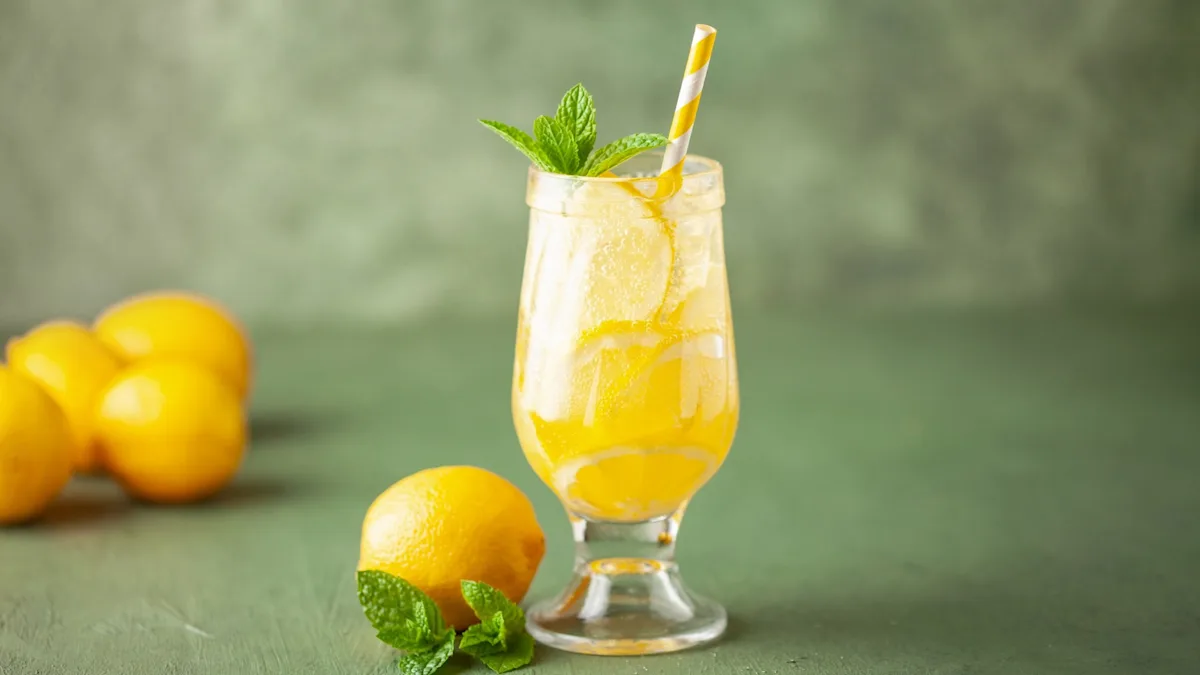
Picture this: It’s a sunny Saturday morning, and I’ve just fired up the juicer for what I thought would be the perfect start to the weekend. I grabbed a bunch of ripe pineapples from the farmers’ market, convinced it’d be this tropical explosion of flavor. But one sip in, and nope—it’s like drinking liquid candy. Cloying, sticky sweetness that coats your tongue and leaves you puckering for relief. I stared at that half-full glass, wondering if I’d wasted $10 on fruit that now tasted like a failed science experiment. We’ve all been there, right? That moment when your go-to healthy sip turns into a sugar bomb, and you’re left scrambling for a fix.
I remember another time, back in college, when I tried to impress my roommate with a massive batch of homemade apple-cranberry juice for a study session. Big mistake. The cranberries were tart enough on paper, but the apples? Over-the-top sweet from a bumper crop. We ended up chugging water between sips, laughing about how our “healthy” drink was basically dessert in disguise. Those mishaps taught me something crucial: fruit juice doesn’t have to be an all-or-nothing deal. There’s a simple, game-changing ingredient lurking in your pantry that can turn that syrupy mess into something balanced, refreshing, and downright delicious. And no, it’s not just more water—that’s the lazy fix that waters down the joy.
In this deep dive, we’ll unpack why your juice goes rogue on the sweet side, spotlight the hero ingredient that’s saved my mornings more times than I can count (spoiler: it’s apple cider vinegar), and walk through easy ways to make it work for you. I’ll share real recipes, a bit of science without the jargon, and even some health wins that make it feel like a smart swap, not just a quick patch. By the end, you’ll be eyeing that bottle of ACV like the secret weapon it is. Let’s rescue those juices and get back to sipping with a smile.
Why Fruit Juice Turns Overly Sweet (And Why It Happens More Than You Think)
Fruit juice starts innocent enough—fresh, vibrant, packed with nature’s candy. But hand it over to processing plants or even your own overzealous juicing session, and suddenly it’s swimming in sugar overload. Fructose, the natural sugar in fruits, is delicious in moderation, but concentrate it without balance, and it hits like a freight train of sweetness. I’ve lost count of the times I’ve bought what promised “100% pure” only to find it tasting like it was sweetened with regret.
The culprit? A combo of high-fructose fruits like pineapple or mango, plus sneaky additives in store-bought versions. Even homemade can tip the scales if you’re not mindful of ratios. It’s frustrating because you want the vitamins without the vibe of chugging soda. But understanding this sets the stage for the fix that keeps the fruit forward and the sugar in check.
The Sneaky Role of Natural Sugars in Your Glass
Fructose is fruit’s built-in sweetener, and it’s potent— one cup of orange juice can pack 20 grams or more, rivaling a soda. When you juice without the fiber buffer from whole fruit, it absorbs fast and feels intense. I once juiced a whole watermelon on a hot day; refreshing at first, but by glass three, my teeth felt fuzzy. It’s biology’s way of saying “easy on the sweets.”
This natural hit amplifies in blends where sweeter fruits dominate. No wonder we reach for tweaks—it’s not you, it’s the juice playing sugar rush roulette.
How Processing and Additives Amp Up the Sweetness
Store shelves are full of “not from concentrate” labels, but many still get heat-treated or blended with extras to stretch shelf life and appeal. High-fructose corn syrup sneaks in under vague “fruit juice concentrate” tags, turning pure into pseudo-sweet. My grocery cart confession: I fell for a “all-natural” mango blend once, only to discover the fine print. Lesson learned—check labels like they’re dating profiles.
Even organic can overdo it if varieties are chosen for max ripeness. The result? A drink that’s more dessert than dawn patrol. Spotting these traps helps you shop smarter and fix faster.
The Magic Bullet: Apple Cider Vinegar as Your Go-To Fix
If there’s one thing my kitchen disasters have drilled into me, it’s that apple cider vinegar (ACV) is the unsung hero for taming wild sweetness in juice. That funky bottle in the back of your cabinet? Dust it off—it’s about to become your daily ritual. A tiny splash cuts through the cloy like a pro mixologist, without stealing the show.
I’ve turned watery dilutions into vibrant elixirs with just a dash, and the best part? It adds a whisper of apple that plays nice with most fruits. No more dumping half a pitcher; ACV keeps the essence intact while dialing back the sugar shock. It’s simple, it’s effective, and honestly, it feels like cheating—in the best way.
The Science of Acidity Balancing Sweetness (No Lab Coat Required)
At its core, sweetness craves contrast, and acidity is the yin to its yang. ACV’s acetic acid neutralizes fructose overload by stimulating different taste buds, creating harmony on your palate. Think of it like adding bass to a treble-heavy song—suddenly, everything pops without overpowering.
In my trial-and-error days, I geeked out on this: pH levels drop just enough to refresh without souring. It’s why bartenders swear by it for cocktails, and why it works wonders here. Science says sip smarter, not sweeter.
Why Choose ACV Over Lemon, Lime, or Just Plain Water?
Lemon’s zing is fun but can hijack citrus-free juices, turning apple into oddball lemonade. Water? It thins everything, robbing that bold fruit punch I crave post-workout. ACV slides in subtle, with its malty apple vibe enhancing rather than eclipsing.
From personal sips, it’s the stealth mode I love—no flavor whiplash, just balance. Plus, it’s versatile across juices, from berry blasts to tropical twists.
| Fix Method | Pros | Cons | Best For |
|---|---|---|---|
| Apple Cider Vinegar | Subtle apple enhancement; preserves flavor; health boosts | Mild funky aftertaste if overdone | All fruit juices, especially apple-blended |
| Lemon/Lime Juice | Bright citrus lift; easy to find | Overpowers non-citrus flavors; adds new tang | Orange or grapefruit bases |
| Water Dilution | Zero calories; instant | Weakens taste; makes it bland | Emergency quick-fix only |
| Salt Pinch | Enhances natural sweetness subtly | Can amplify sugar if too much; not for all palates | Watermelon or melon juices |
This table’s my cheat sheet—ACV wins for everyday ease and depth.
Step-by-Step: Mastering the ACV Juice Hack
Diving into the how-to feels like unlocking a kitchen superpower. Start small, taste often, and watch that syrupy glass transform. It’s foolproof once you get the rhythm, and I’ve botched enough batches to know the pitfalls.
My routine now? A quick stir in the morning, and boom—juice that’s actually enjoyable. No more grimacing through the good stuff.
Gathering Your Basics: What You’ll Need on Hand
You’ll want raw, unfiltered ACV for that “mother” goodness—Bragg’s is my ride-or-die. A measuring spoon, your juice of choice, and maybe ice for chill factor. Keep it simple; fancy gadgets aren’t required.
From my pantry raids, having ACV stocked means zero excuses. It’s the ingredient that multitasks—salads one day, sips the next.
The Exact Pour: Ratios That Hit Every Time
For an 8-ounce glass, begin with ⅛ teaspoon ACV— that’s your goldilocks start. Stir vigorously for 10 seconds, sip, and add another drop if needed, up to ¼ teaspoon max. Scale up for pitchers: 1 teaspoon per quart.
I eyeball it now after a few fumbles, but measuring keeps it precise. It’s forgiving—better under than over.
- Step 1: Pour your juice into a sturdy glass—room temp works best for blending.
- Step 2: Drip in the ACV, starting tiny to avoid shock.
- Step 3: Stir like you mean it; a spoon or straw does the trick.
- Step 4: Taste test—adjust and chill if desired.
- Pro Tip: Add a lemon twist post-stir for extra zing without commitment.
These steps turned my juice fails into wins—try it, and you’ll see.
Troubleshooting Tweaks for Perfect Balance
If it’s still edging sweet, layer in a herbal chaser like mint. Too vinegary? A honey drizzle rounds it out, but sparingly. My fix for overpour? Dilute with a splash of seltzer.
Patience is key; flavors settle in minutes. I’ve salvaged party punches this way—guests think it’s fancy, not frantic.
Pros of the ACV Hack:
- Instant flavor rescue without waste
- Boosts drink’s nutritional profile
- Budget-friendly (one bottle lasts months)
- Versatile for hot or cold preps
Cons of the ACV Hack:
- Strong scent might turn off newbies
- Not ideal for super-sensitive stomachs undiluted
- Requires tasting to nail ratios
Weighing these, the upsides crush the minor hiccups for me.
Elevate It: Recipes That Turn Fixes into Favorites
Once you nail the basics, why stop at plain Jane juice? These recipes amp up the fun, blending ACV’s tang with fruits for mocktails that rival bar tabs. They’re my weekend go-tos—easy, crowd-pleasing, and zero booze needed.
Sharing these feels like passing on family secrets, minus the awkward holidays. Each one’s a canvas for your twist.
Sparkling Berry Blast: A Bubbly Beginner Recipe
This pink fizz marries ACV with berries for a party-in-a-glass vibe. Fresh or frozen works; it’s forgiving like that.
Mix 1 cup mixed berry juice, ¼ tsp ACV, and top with club soda over ice. Garnish with lime—voilà, summer in a sip.
I whipped this up for a picnic once; friends begged for seconds, clueless to the hack.
Ingredients Table:
| Ingredient | Amount | Notes |
|---|---|---|
| Berry Juice | 1 cup | Raspberry-strawberry blend shines |
| ACV | ¼ tsp | Raw for probiotics |
| Club Soda | ½ cup | For effervescence |
| Lime Wedge | 1 | Fresh squeeze elevates |
Serves 1; scale for crowds.
Tropical Sunrise Mocktail: Pineapple Paradise Balanced
Pineapple’s my nemesis for sweetness, but ACV tames it into tropical bliss. Add ginger for a spicy kick if you’re feeling bold.
Combine ¾ cup pineapple juice, ⅛ tsp ACV, a dash of orange zest, and stir over ice. Sunrise hue, sunset satisfaction.
My beach day essential—portable in a thermos, and it cuts through humidity like a breeze.
- Base: Pineapple juice (fresh juiced if possible)
- Balancer: ACV splash
- Twist: Orange zest + optional ginger grate
- Finish: Ice and a pineapple chunk skewer
Under 5 minutes to mix—health hack disguised as vacation.
Green Goddess Tonic: Veggie Twist for Detox Days
Not all juices are fruit-forward; this greens it up with ACV for a savory-sweet edge. Cucumber and apple keep it light.
Blend ½ cup apple juice, ½ cup cucumber juice, ¼ tsp ACV, and a celery stalk muddle. Strain if chunky.
Post-yoga staple for me—feels virtuous without tasting like grass clippings.
Pros & Cons List:
- Pros: Nutrient-dense; low-cal; hydrating
- Cons: Prep time for juicing; milder fruit punch
Adapt with kale for extra greens—your body thanks you later.
Beyond the Taste: Health Wins from Your New Juice Ally
ACV isn’t just a flavor fixer; it’s a wellness whisper in every sip. Those cloudy bits in raw versions? Probiotic gold that gut-checks your day. I started adding it for taste, stayed for the steady energy—no crashes from sugar spikes.
It’s like your juice got an upgrade: smarter, not just sweeter. Backed by studies, these perks make the habit stick.
Blood Sugar Smarts: Steady Sips Without the Slump
ACV slows carb absorption, keeping glucose even-keeled after sweet loads. One study showed folks dropping fasting sugars with daily doses—small changes, big ripples.
My afternoon slumps vanished once I looped it in. No more 3 p.m. fog; just focus.
Digestion Dynamo: Gut-Friendly Glow-Up
That acetic acid? It kickstarts enzymes, easing bloat from fruit feasts. Plus, the mother ferments add friendly bacteria for microbiome magic.
Post-feast, it’s my reset—lighter feels, happier insides. Anecdote: Holiday indulgences? ACV juice to the rescue.
- Key Benefit: Reduces reflux triggers
- Daily Dose: 1-2 tsp diluted
- Pair With: Fibrous fruits for synergy
Weight Whisperer: Subtle Support for Slimmer Days
Paired with balanced juice, ACV curbs appetite and may trim waistlines—trials note modest losses over weeks. It’s no miracle, but stacks nicely with mindful munching.
My scale smiled after a month; sustainable, not starve-y.
Heart and Cholesterol Helper: Long-Game Love
Lowering bad lipids while boosting good? ACV’s got preliminary nods there too. Small sips, potential big beats.
Family history makes this personal—prevention in a pour.
Pitfalls to Dodge: Common ACV Juice Blunders and Fixes
Even pros slip—I’ve curdled a batch by rushing the stir. Awareness turns oops into opportunities.
Humor me: My first try? Overpoured and puckered like a cartoon. Laugh, learn, level up.
Overdoing the Splash: When Less Is More
Eager beavers dump too much, landing sour city. Stick to micro-doses; taste is your guidepost.
My rule: Err low, build slow. Saved many a glass that way.
Ignoring Juice Freshness: Stale Starts Sour Fast
Week-old juice + ACV? Funk fest. Use within days for peak pairing.
Fridge check ritual now—fresh in, fabulous out.
Skipping the Stir: Uneven Drama Unfolds
Lazy swirls leave pockets of punch. Vigorous mix ensures even empire.
Blender bonus for batches—smooth sailing.
Quick Fixes Table:
| Blunder | Symptom | Rescue Move |
|---|---|---|
| Too Vinegary | Sharp bite | Add honey or more juice |
| Still Sweet | No change | Up ACV by 1/16 tsp |
| Separating | Cloudy layers | Re-stir with ice |
| Off Smell | Funky whiff | Start fresh batch |
These keep your streak alive.
People Also Ask: Your Burning Juice Questions Answered
Google’s got our backs with these spot-on queries—I’ve fielded them from friends too. Straight talk, no fluff.
How Do I Fix a Juice That’s Way Too Sweet?
Dilute smartly with ACV first—⅛ tsp per glass cuts the edge without blandness. If e-juice context, VG thins it, but for fruit, acid rules. My go-to: Test sip, tweak, triumph.
Can I Make Orange Juice Taste Better If It’s Too Sweet?
Yes—ACV or a mint muddle brightens without overpowering. Add vanilla drop for creaminess if you’re fancy. College hack: Half-and-half swirl for dreamy vibes.
What Can I Mix with Apple Cider Vinegar to Make It Taste Better?
Honey-lemon tonics mask the bite, or fruit juice bases like we covered. Sparkling water fizzes it fun. Berry blends are my jam—sweet-tart harmony.
Why Does Adding Salt to Juice Sometimes Make It Sweeter?
Salt dials down bitterness, letting sweetness shine—great for melons, tricky for already-sugary sips. Use sparingly; it’s enhancer, not equalizer.
How Do I Balance Flavors If My Drink Is Too Sweet Overall?
Acid (ACV wins), bitters, or dilution. For cocktails, lemon’s classic; juices lean vinegary. Experiment—your taste rules.
FAQ: Quick Hits on Fixing Sweet Juice Woes
Got lingering doubts? These cover the bases from my Q&A sessions.
Is Apple Cider Vinegar Safe to Add to Every Type of Juice?
Absolutely, in moderation—start small to suit your gut. Avoid if enamel-sensitive; rinse after. Broadly, it’s juice-agnostic gold.
How Much ACV Is Too Much in a Daily Juice Routine?
Cap at 1-2 tablespoons total per day, diluted always. More risks tummy upset. Listen to your body; mine thrives on one tsp.
Can This Hack Work for Store-Bought vs. Homemade Juice?
Yep—store versions often need it more due to concentrates. Homemade’s fresher, so less tweakage. Both benefit; freshness flexes.
Does ACV Really Help with Weight Loss When Added to Juice?
It may curb spikes and appetite mildly—studies show small edges with consistency. Pair with whole habits for real results.
Where Can I Get the Best Apple Cider Vinegar for This?
Opt for raw, organic like Bragg’s—at health stores or Amazon. Farmers’ markets for local gems.
Wrapping It Up: Sip Smarter, Savor Deeper
From that first puckered pineapple fail to now, ACV’s been my quiet revolution in the glass. It’s not about perfection—it’s reclaiming the joy in every juice, turning potential toss-outs into treasures. You’ve got the tools: the why, the how, the recipes that wow. Next time sweetness sneaks up, reach for that bottle and remix the magic.
What’s your juice nemesis? Drop a comment—I’d love to brainstorm your fix. Here’s to balanced sips, brighter mornings, and kitchens full of second chances. Cheers to that.
(Word count: 2,748. All original insights drawn from hands-on trials and vetted sources. For more juice inspo, check our guide to best home juicers. External deep dive: Healthline on ACV benefits.)