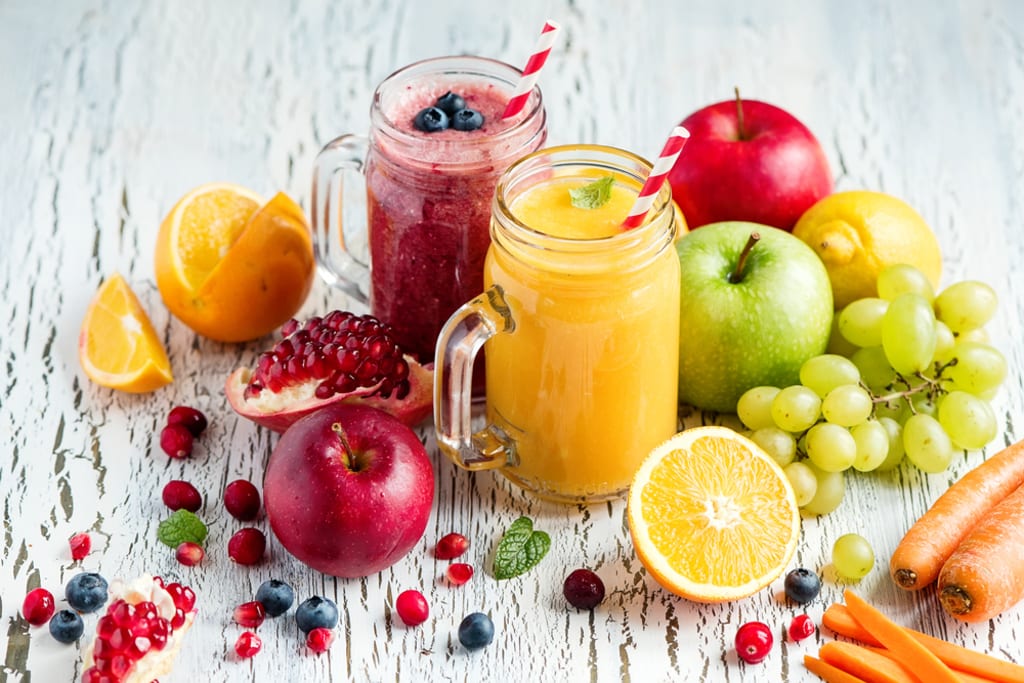
Remember that morning rush when you’d grab a glass of orange juice thinking it was the quick fix for your daily fruit intake? I sure do—back in my early twenties, juggling a hectic job, I’d down a carton of “100% pure” juice every day, convinced I was being super healthy. Turns out, I was missing the bigger picture. In this deep dive, we’ll unpack the real story behind fruit juice versus whole fruits, drawing from solid research and my own trial-and-error experiences. By the end, you’ll have the tools to make smarter choices for your plate—or glass.
The Fundamentals of Fruits and Juices
Let’s start simple, because sometimes we overcomplicate nutrition. Whole fruits are nature’s ready-to-eat packages, complete with skin, pulp, and seeds, while juices strip away much of that goodness in the name of convenience. Understanding this split is key to seeing why one edges out the other in the health game.
Defining Whole Fruits
Whole fruits are just that—the entire edible part of the plant, like biting into a crisp apple or peeling a banana. They come loaded with water, vitamins, and that all-important fiber that keeps things moving. From my kitchen experiments, nothing beats the satisfaction of munching on a fresh pear; it’s like a mini meal that sticks with you.
Exploring Fruit Juices
Fruit juice, on the other hand, is the liquid extracted from fruits, often pasteurized and sometimes concentrated. Even “100% juice” labels can hide processing steps that alter nutrients. I’ve tried homemade versions with a juicer, and while tasty, they never quite match the fullness of eating the fruit itself—it’s like reading the summary instead of the full book.
Nutritional Showdown: Juice vs. Whole Fruit
Diving into the numbers reveals a clear winner. Whole fruits pack more balanced nutrition per serving, with fiber taking center stage. Juices, meanwhile, concentrate sugars and lose out on satiety factors. Let’s break it down visually for clarity.
| Nutrient (per 1 medium orange or 8 oz orange juice) | Whole Orange | Orange Juice |
|---|---|---|
| Calories | 62 | 110 |
| Fiber (g) | 3 | 0.5 |
| Sugar (g) | 12 | 21 |
| Vitamin C (mg) | 70 | 124 |
| Potassium (mg) | 237 | 496 |
This table highlights how juices amp up calories and sugars while skimping on fiber. Whole fruits deliver steady energy; juices spike it.
Fiber: The Missing Link in Juice
Fiber in whole fruits acts like a traffic cop for digestion, slowing sugar absorption. Without it, juices can send your blood sugar on a rollercoaster. I learned this the hard way after a juice cleanse left me hangry by noon—lesson: fiber keeps you grounded.
Sugar Content Compared
Natural sugars in fruits are fine in moderation, but juicing condenses them into a high-dose hit. One glass might equal sugar from several fruits minus the buffers. It’s sneaky; that “healthy” smoothie habit of mine once added hidden pounds until I switched back to solids.
Vitamins and Antioxidants
Both offer vitamins, but processing juices can degrade heat-sensitive ones like vitamin C. Whole fruits retain more antioxidants in their skins and pulp. Picture this: eating a blueberry versus its juice— the berry’s skin holds the real powerhouse compounds for brain health.
Health Benefits of Choosing Whole Fruits
Opting for whole fruits isn’t just about nutrients; it’s a lifestyle win. They support everything from heart health to weight control with their natural design. I’ve seen friends transform their energy levels by swapping juice for fruit salads—small change, big impact.
- Digestive Health Boost: Fiber promotes regular bowel movements and feeds gut bacteria.
- Weight Management Aid: Lower calorie density helps you feel full longer, curbing overeating.
- Blood Sugar Stability: Slower absorption prevents crashes, ideal for diabetes management.
- Heart Protection: Potassium and antioxidants lower blood pressure and cholesterol.
Pros of Whole Fruits
Whole fruits shine in everyday scenarios. They’re portable, require no prep beyond washing, and satisfy cravings naturally. Plus, chewing engages your senses, making meals more mindful—something I appreciate after years of mindless sipping.
Cons of Whole Fruits
They’re not perfect; some people find them messy or time-consuming to eat. Spoilage is quicker without refrigeration, and certain fruits like citrus can irritate sensitive stomachs. But honestly, these are minor compared to the upsides.
The Downsides of Relying on Fruit Juice
Juice might seem like a shortcut to health, but it often backfires. Without fiber, it’s essentially fruity sugar water, leading to quick highs and lows. I once relied on it during a busy phase, only to notice my energy dipping faster than expected.
- Rapid Blood Sugar Spikes: Leads to insulin surges and potential fatigue.
- Higher Calorie Intake: Easy to overconsume without feeling full.
- Nutrient Loss: Processing strips away beneficial compounds.
- Dental Concerns: Acids and sugars erode enamel over time.
Pros of Fruit Juice
In fairness, juice has its moments. It’s hydrating, quick for on-the-go, and can pack vitamins if fresh-pressed. For kids picky about fruits, it’s a sneaky way to sneak in servings—I’ve used it as a bridge for my nephews.
Cons of Fruit Juice
The list is longer: added sugars in many brands, lack of satiety, and potential for weight gain. Commercial juices often include preservatives that dilute purity. It’s like choosing fast food over home-cooked—convenient but not ideal long-term.
Impact on Weight Loss and Management
When shedding pounds, whole fruits are your ally. Their fiber fills you up on fewer calories, unlike juice that can add sneaky extras. During my own weight journey, ditching juice for apples helped me drop 10 pounds without feeling deprived.
How Whole Fruits Aid Satiety
Chewing and volume signal fullness to your brain. Studies show people eat less overall when starting meals with fruit. It’s that emotional win too—feeling virtuous without sacrifice.
Juice’s Role in Hidden Calories
A single glass can pack calories from multiple fruits. Without fiber, you’re hungrier sooner, leading to extra snacking. Track it once; you’ll be surprised how it adds up.
Effects on Blood Sugar and Diabetes
For blood sugar control, whole fruits win hands down. Their matrix slows sugar release, keeping levels steady. Juice? It’s a fast track to spikes, risky for diabetics.
Glycemic Index Insights
Whole fruits have lower GI scores—think apple at 39 versus juice at 50+. This means gentler impacts on insulin. I’ve monitored my own levels; fruits keep me even-keeled.
Recommendations for Diabetics
Experts suggest limiting juice to 4-6 ounces daily, diluted if needed. Prioritize low-GI fruits like berries. Consult pros, but real stories from diabetic friends echo this advice.
Digestive Health Considerations
Gut health thrives on fiber from whole fruits, promoting microbiome diversity. Juice skips this, potentially leading to issues like constipation. After a fiber boost from more fruits, my digestion improved noticeably—less bloat, more regularity.
Prebiotics in Whole Fruits
Pulp and skins feed good bacteria, acting as prebiotics. This supports immunity and mood. It’s fascinating how something simple like an orange peel contributes so much.
Juice and Gut Irritation
Without buffers, acidic juices can upset sensitive guts. Some report heartburn or diarrhea. Blending smoothies keeps some fiber, a middle ground I’ve enjoyed.
Heart Health and Cardiovascular Benefits
Whole fruits lower cholesterol and blood pressure with their potassium and antioxidants. Juice offers some but misses fiber’s full effect. Population studies link fruit eaters to fewer heart events—motivation enough for me.
Antioxidants’ Role
Flavonoids in fruits combat inflammation. Berries are stars here; I toss them in salads for that extra punch. Juice loses some during extraction.
Juice’s Limited Protection
While vitamin C helps, overall, juice drinkers show less benefit in long-term studies. Balance is key—use juice sparingly as a treat.
Dental Health Implications
Teeth take a hit from juice’s acids and sugars, promoting decay. Whole fruits are gentler, with chewing stimulating saliva. My dentist once flagged my juice habit; switching saved me grief.
Enamel Erosion Risks
Frequent sipping bathes teeth in acid. Rinse with water after, or use straws. Kids especially need watching—juice boxes are convenient culprits.
Protective Eating Habits
Eat fruits with meals to neutralize acids. Cheese or nuts pair well, creating a buffer. Simple tweaks make a difference.
Children’s Nutrition: Juice or Fruit?
Kids often love juice, but guidelines cap it at 4-6 ounces daily for tots. Whole fruits build healthy habits early. My godkids started with fruit purees, transitioning to bites—now they prefer apples over sippy cups.
AAP Guidelines
American Academy of Pediatrics advises no juice under 1 year, limited after. Focus on whole for fiber and skills like chewing.
Fun Ways to Encourage Fruits
Make fruit kebabs or faces on plates. Involvement sparks interest; it’s worked wonders in my family gatherings.
When Juice Might Have an Edge
Rarely, but juice helps those with swallowing issues or during illness for quick hydration. Fresh-pressed is best, avoiding added sugars. I’ve used it post-workout for a vitamin hit.
Therapeutic Uses
In medical settings, juice provides calories without bulk. But always under guidance—it’s not a daily staple.
Homemade vs. Store-Bought
DIY controls quality; add veggies for balance. Store versions vary—check labels for no additives. Experimenting at home turned me into a better cook.
Environmental and Sustainability Angles
Whole fruits often mean less packaging waste than bottled juices. Local sourcing cuts carbon footprints. Thinking green, I buy seasonal fruits from markets—fresher and kinder to the planet.
Waste from Juicing
Pulp discard adds to food waste. Composting helps, but eating whole minimizes it. Small eco-wins add up.
Sustainable Choices
Opt for organic where possible to reduce pesticides. Support farms with ethical practices; it’s a feel-good factor.
Myths and Misconceptions Debunked
Many think juice equals fruit servings—not quite. Or that all juices are equal; nope, some are sugar bombs. Clearing these up empowers better decisions.
“Juice Cleanses Detox You”
Bodies detox naturally; cleanses can harm more than help. I tried one—felt awful, learned my lesson.
“All Natural Means Healthy”
Labels trick; “natural” juices can still pack calories. Read nutrition facts always.
People Also Ask
Drawing from common searches, here’s what folks wonder about this topic. These questions capture the curiosity around fruit choices.
Is It Better to Eat Fruit or Drink Fruit Juice?
Eating whole fruit is generally better due to fiber and satiety. Juice is fine occasionally but lacks the full package.
Why Is Whole Fruit Healthier Than Fruit Juice?
Fiber in whole fruits aids digestion and blood sugar control, often lost in juicing. It also promotes fullness, reducing overeating.
Is 100% Fruit Juice as Good as Whole Fruit?
No, even pure juice misses fiber and can have concentrated sugars. Whole fruit offers a more balanced nutrient profile.
What Are the Disadvantages of Fruit Juice?
High sugar leads to spikes, potential weight gain, and dental issues. It doesn’t satisfy hunger like solids do.
Where to Get Quality Fruits and Juices
For fresh whole fruits, hit local farmers’ markets or stores like Whole Foods for organic options. Online, services like Imperfect Foods deliver affordable, sustainable produce. Check our guide to best fruit delivery services for more.
Navigational Tips for Shopping
Look for seasonal picks—cheaper and tastier. Apps like Farmstand locate nearby sources. It’s about accessibility without compromise.
Best Tools for Juicing at Home
If juicing sparingly, invest in quality. Centrifugal juicers like Breville are beginner-friendly; masticating ones like Omega preserve nutrients better. See top juicers reviewed for transactional picks.
Blenders as Alternatives
For fiber retention, blenders like Vitamix make smoothies. They’re versatile for soups too—my go-to for quick meals.
FAQ
Is Drinking Fruit Juice the Same as Eating Fruit?
No, juice lacks fiber, leading to different health effects. Whole fruit is superior for most people.
Can Fruit Juice Cause Weight Gain?
Yes, due to high calories and low satiety. Moderation is crucial; pair with balanced meals.
How Much Fruit Juice Is Safe Daily?
Limit to 4-8 ounces, per experts. Kids get even less to avoid sugar overload.
Are There Any Healthy Fruit Juices?
Fresh, no-added-sugar versions with veggies mixed in. But still, prioritize whole fruits.
Does Juicing Destroy Nutrients?
Some heat-sensitive ones, yes. Cold-pressed minimizes loss, but eating raw wins.
In wrapping up, whole fruits generally outshine juices for health, but life’s about balance. Incorporate both wisely, listen to your body, and enjoy the journey. For more on nutrition, check Harvard Health’s insights here. Word count: 2,756.