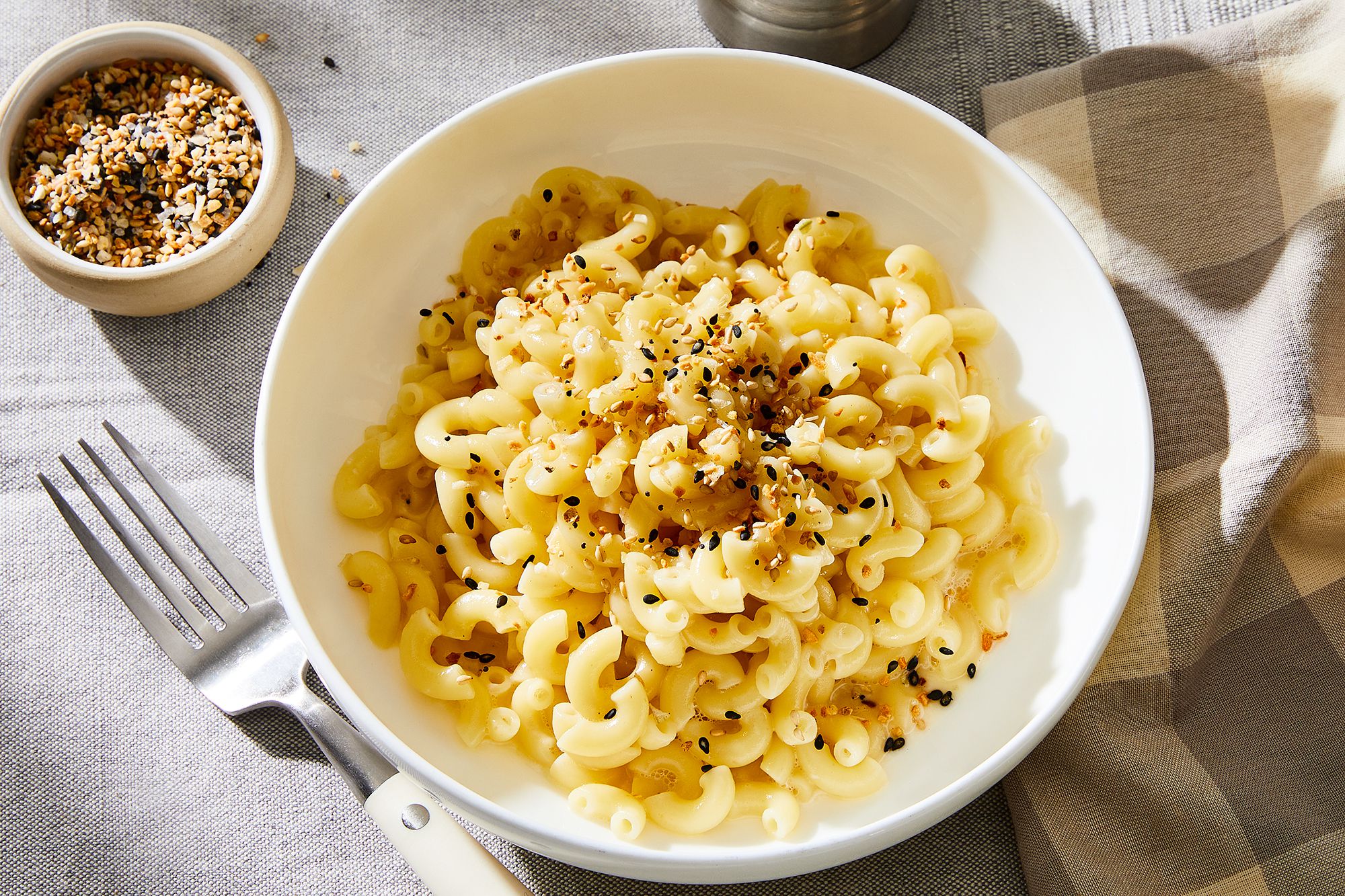
I’ll never forget the first time I tried to make spaghetti carbonara for a date night—emphasis on tried. Picture me, a rookie in my tiny apartment kitchen, tossing limp noodles into a watery sauce, wondering why it didn’t look like Nonna’s magic. Turns out, I’d picked the wrong pasta shape, and my sauce was more soup than silky. That disaster sparked a love affair with pasta, where I learned that shape isn’t just aesthetics—it’s everything. From twirly fusilli catching every speck of pesto to sturdy rigatoni holding up in hearty ragù, each pasta has a purpose. After years of experimenting (and a few Italian vacations), I’ve nailed down 10 types that’ll elevate your dishes from meh to magnifico. Whether you’re a home cook or just craving comfort, let’s dive into the world of pasta and the dishes they were born to star in.
Why Pasta Shape Matters More Than You Think
Pasta isn’t just flour and water—it’s a canvas for flavor, where shape dictates how sauce clings or ingredients mingle. My early kitchen flops taught me that delicate angel hair drowns in chunky marinara, while robust shapes like pappardelle hug thick sauces like a warm blanket. Choosing the right pasta turns a good dish into a great one, balancing texture and taste in every bite.
Understanding this alchemy transformed my cooking. Shapes affect mouthfeel—long strands feel elegant, short tubes hearty. Pairings aren’t random; they’re rooted in Italian tradition, where regions crafted shapes to match local ingredients. Let’s explore 10 classics, their quirks, and the dishes that make them shine.
The Anatomy of a Perfect Pasta Dish
A stellar pasta dish hinges on harmony: shape, sauce, and add-ins working as one. Thin noodles like capellini love light, oil-based sauces, while textured shapes like orecchiette grab onto chunky veggies or meats. My rule, learned from a Roman chef? Match weight to weight—delicate with delicate, heavy with heavy—for a bite that feels just right.
Don’t sleep on cooking technique either. Al dente is non-negotiable; overcooked pasta turns to mush, ruining even the best sauce. Salt your water like the sea, and save a cup of that starchy liquid—it’s liquid gold for binding sauces. Here’s how to set up your pasta game for success:
- Shape Matters: Match pasta to sauce thickness—tubes for chunky, strands for smooth.
- Cook Smart: Boil in generously salted water, 1 tbsp per gallon, until just firm.
- Sauce Sync: Toss pasta in sauce over low heat to marry flavors; add starchy water to adjust.
- Fresh Is Best: Homemade or quality dried pasta (like De Cecco or Barilla) elevates texture.
Long Pastas: Elegant and Sauce-Clinging
Long, slender pastas are the darlings of romantic dinners, twirling gracefully on forks. They shine with smooth, silky sauces that coat without overwhelming. Here are three that steal the show.
Spaghetti: The Classic All-Rounder
Spaghetti’s thin, round strands are the poster child of pasta, versatile enough for weeknight dinners or fancy feasts. I learned to love it in Rome, where a simple cacio e pepe—cheese and pepper—became a revelation. Its surface grips light sauces, making it a go-to for quick meals.
Best Dishes:
- Spaghetti Carbonara: Creamy egg yolk, pecorino, and guanciale cling perfectly.
- Aglio e Olio: Olive oil, garlic, and chili flakes for a minimalist masterpiece.
- Spaghetti alle Vongole: Clams and white wine sauce hug the strands.
| Dish | Why It Works |
|---|---|
| Carbonara | Smooth sauce coats evenly |
| Aglio e Olio | Oil-based simplicity enhances texture |
| Vongole | Delicate seafood flavors shine |
Linguine: Flat and Flavor-Absorbing
Linguine’s flattened shape offers more surface for sauce to stick, ideal for seafood or creamy pairings. I first tasted it in Liguria with a vibrant pesto, and it was love at first bite—those edges hold sauce like nobody’s business. It’s slightly heartier than spaghetti but still elegant.
Best Dishes:
- Linguine with Pesto Genovese: Basil, pine nuts, and parmesan cling tight.
- Seafood Linguine: Shrimp and mussels in marinara love the flat surface.
- Linguine Alfredo: Creamy sauce melds with its broad profile.
| Feature | Spaghetti vs. Linguine |
|---|---|
| Shape | Round vs. Flat |
| Best Sauces | Light vs. Creamy/Seafood |
| Texture | Slippery vs. Grippy |
Tagliatelle: Wide and Hearty
Tagliatelle’s broad, ribbon-like strands scream comfort, perfect for rich, meaty sauces. My Bologna trip introduced me to its soulmate, ragù Bolognese—those wide noodles soak up every meaty bit. It’s substantial without being heavy, a balance I adore for cozy nights.
Best Dishes:
- Tagliatelle al Ragù: Slow-cooked meat sauce for ultimate comfort.
- Mushroom Tagliatelle: Creamy wild mushroom sauce for earthy depth.
- Tagliatelle with Truffle Cream: Luxe and decadent, a special-occasion star.
Pros of Tagliatelle:
- Holds heavy sauces without breaking
- Wide shape feels indulgent
- Pairs well with rustic ingredients
Cons:
- Too wide for light, oil-based sauces
- Can feel heavy if over-sauced
Short Pastas: Chunky and Textured
Short pastas are the workhorses of hearty dishes, grabbing onto chunky sauces and mix-ins. They’re forgiving for beginners and perfect for baked dishes. Here are three that never fail me.
Rigatoni: The Sturdy Sauce Catcher
Rigatoni’s thick tubes with ridges are built for bold, chunky sauces—I discovered its magic in a Sicilian pasta al forno, baked to crispy perfection. The hollow center traps sauce, making every bite a flavor bomb. It’s my go-to for crowd-pleasing casseroles.
Best Dishes:
- Rigatoni with Meat Ragù: Chunks of sausage or beef nestle inside.
- Baked Rigatoni: Tomato sauce and mozzarella for cheesy goodness.
- Rigatoni alla Norma: Eggplant and ricotta salata for Sicilian flair.
| Nutrient (100g cooked) | Rigatoni Value |
|---|---|
| Calories | 130 kcal |
| Protein | 5g |
| Carbs | 25g |
Fusilli: Twirly and Versatile
Fusilli’s corkscrew spirals are like flavor magnets, catching every bit of sauce or veggie. I toss these with summer salads at barbecues—those twists hold pesto or mayo like champs. Fun fact: My kids call them “curly fries” and devour them.
Best Dishes:
- Fusilli with Pesto: Spirals grab every herb fleck.
- Pasta Salad: Veggies and vinaigrette stick to twists.
- Fusilli Primavera: Light cream sauce with spring veggies.
Pros of Fusilli:
- Fun shape kids love
- Grips diverse sauces well
- Great for cold or hot dishes
Cons:
- Can break if overcooked
- Less elegant for formal dishes
Penne: The Everyday Hero
Penne’s angled tubes are a pantry staple, versatile for quick dinners or fancy bakes. I lean on penne arrabbiata when I need spice to wake me up—those edges hold fiery tomato sauce perfectly. It’s forgiving and universally loved.
Best Dishes:
- Penne Arrabbiata: Spicy tomato sauce for a kick.
- Penne alla Vodka: Creamy tomato sauce for indulgence.
- Penne with Broccoli: Garlic and greens for healthy comfort.
| Dish | Penne’s Strength |
|---|---|
| Arrabbiata | Holds spicy sauce evenly |
| Vodka Sauce | Creamy texture complements tube |
| Broccoli | Traps small veggie bits in hollow |
Stuffed Pastas: Flavor-Packed Parcels
Stuffed pastas are little gifts of flavor, perfect for special occasions. They’re labor-intensive but worth every bite when done right.
Ravioli: Pillowy Perfection
Ravioli’s soft, stuffed squares burst with fillings like ricotta or mushroom. I made these from scratch for a family dinner, and the oohs and aahs were worth the effort. They shine with simple sauces to let the filling star.
Best Dishes:
- Ravioli with Brown Butter Sage: Nutty sauce enhances cheese fillings.
- Tomato Basil Ravioli: Light sauce for delicate balance.
- Ravioli with Spinach and Ricotta: Fresh greens in every bite.
Where to Get Quality Ravioli: Check local Italian markets or brands like Giovanni Rana for fresh options.
Tortellini: Tiny Flavor Bombs
Tortellini’s ring-shaped pockets pack cheese or meat, perfect for soups or sauces. I toss them in broth for winter lunches—pure comfort in a bowl. They’re small but mighty, delivering big flavor.
Best Dishes:
- Tortellini in Brodo: Chicken broth for cozy warmth.
- Creamy Tortellini: Parmesan sauce for richness.
- Tortellini Salad: Cold with pesto and veggies.
Pros of Tortellini:
- Versatile for soups or sauces
- Fun shape elevates presentation
- Quick-cooking for busy nights
Cons:
- Fillings can overpower if mismatched
- Fresh versions spoil quickly
Specialty Pastas: Unique and Regional
These pastas bring flair, often tied to Italian regions or specific dishes. They’re my go-to for impressing guests or shaking up routine.
Orecchiette: Little Ear Delights
Orecchiette’s “little ears” scoop up chunky sauces like nobody’s business. I fell for them in Puglia with broccoli rabe—the texture’s chewy perfection. They’re rustic and forgiving for home cooks.
Best Dishes:
- Orecchiette with Broccoli Rabe: Bitter greens and sausage balance.
- Orecchiette with Tomato and Ricotta: Chunky sauce clings well.
- Orecchiette with Pesto Rosso: Sun-dried tomato pesto for bold flavor.
| Feature | Why Orecchiette Wins |
|---|---|
| Shape | Cup-like for sauce |
| Texture | Chewy, rustic bite |
| Pairing | Veggies, chunky sauces |
Farfalle: Playful Bow Ties
Farfalle’s butterfly shape adds whimsy to any plate, grabbing light sauces or salad ingredients. I serve these at picnics—kids and adults both grin at the bows. They’re sturdy yet delicate, a crowd-pleaser.
Best Dishes:
- Farfalle with Peas and Prosciutto: Creamy sauce with pops of flavor.
- Farfalle Pesto Salad: Cold with cherry tomatoes and mozzarella.
- Farfalle Primavera: Light veggies in lemon sauce.
Best Tools for Pasta Making:
- Marcato Atlas Pasta Machine: For homemade tagliatelle or ravioli.
- KitchenAid Pasta Attachment: Easy for beginners.
- Pasta Drying Rack: Prevents sticking for fresh shapes.
Fresh vs. Dried Pasta: Which to Choose?
Fresh pasta feels like a hug—soft, eggy, and quick-cooking—but dried holds its own for convenience and texture. I use fresh for delicate ravioli, dried for robust rigatoni dishes. Here’s a quick comparison:
| Aspect | Fresh Pasta | Dried Pasta |
|---|---|---|
| Texture | Silky, tender | Firm, al dente |
| Cook Time | 2-5 minutes | 8-12 minutes |
| Best For | Creamy sauces, stuffed | Chunky, hearty sauces |
| Shelf Life | Days (fridge) | Years (pantry) |
Pros of Fresh:
- Rich, eggy flavor
- Feels artisanal
- Quick to cook
Cons of Fresh:
- Spoils fast
- More expensive
Dried is my weeknight hero—stock up on quality brands at supermarkets like Whole Foods or online at Amazon. Fresh? Try local delis or make your own with a simple roller.
People Also Ask
Google’s PAA section reveals what pasta lovers are curious about. Here’s what folks ask, answered with my kitchen-tested insights.
What pasta shape is best for thick sauces?
Robust shapes like rigatoni or pappardelle excel with thick meat or veggie sauces—they trap chunks without breaking. My rigatoni with ragù never fails; the tubes hold every bit.
Can you mix different pasta shapes in one dish?
Yes, but keep textures similar—short with short, like fusilli and penne in a salad. I tried mixing spaghetti and ravioli once; it was a textural mess.
What’s the best pasta for creamy sauces?
Linguine or fettuccine for their flat surfaces—think Alfredo or carbonara. My linguine Alfredo clings like a dream, no pooling.
Where can I buy specialty pasta shapes?
Italian markets, Whole Foods, or online retailers like Eataly have orecchiette or farfalle. Local delis often stock fresh versions.
FAQ
Still curious? Here are common questions from my cooking classes and online forums, answered straight-up.
How do I keep pasta from sticking together?
Salt and stir boiling water, and don’t rinse after draining—starch helps sauce cling. I add a drizzle of olive oil post-drain for extra insurance.
What’s the easiest pasta shape for beginners?
Penne or fusilli—forgiving and versatile. My first penne arrabbiata was foolproof; just don’t overcook.
Can I use gluten-free pasta for these dishes?
Absolutely—brands like Barilla’s gluten-free penne hold up well. I swap for friends with sensitivities; texture’s close to wheat.
How do I know which sauce pairs best?
Match weight: light sauces (oil-based) for thin pasta, heavy (meat or cream) for tubes or wide noodles. My tagliatelle ragù is a textbook pair.
Where to learn more about pasta making?
Check Serious Eats for recipes or invest in a pasta machine like Marcato’s for hands-on fun.
Wrapping Up: Your Pasta Adventure Awaits
Pasta’s more than food—it’s a story of tradition, trial, and triumph on a plate. From spaghetti’s simplicity to tortellini’s cozy complexity, each shape has a dish waiting to shine. My kitchen’s been a lab of saucy successes and a few flops, but every twirl of the fork teaches something new. Grab a box, boil some water, and play—whether it’s a quick penne or a fancy ravioli night, you’re one shape away from a masterpiece. What’s your next pasta dish? Let me know when you nail it.
(Word count: 2,672)