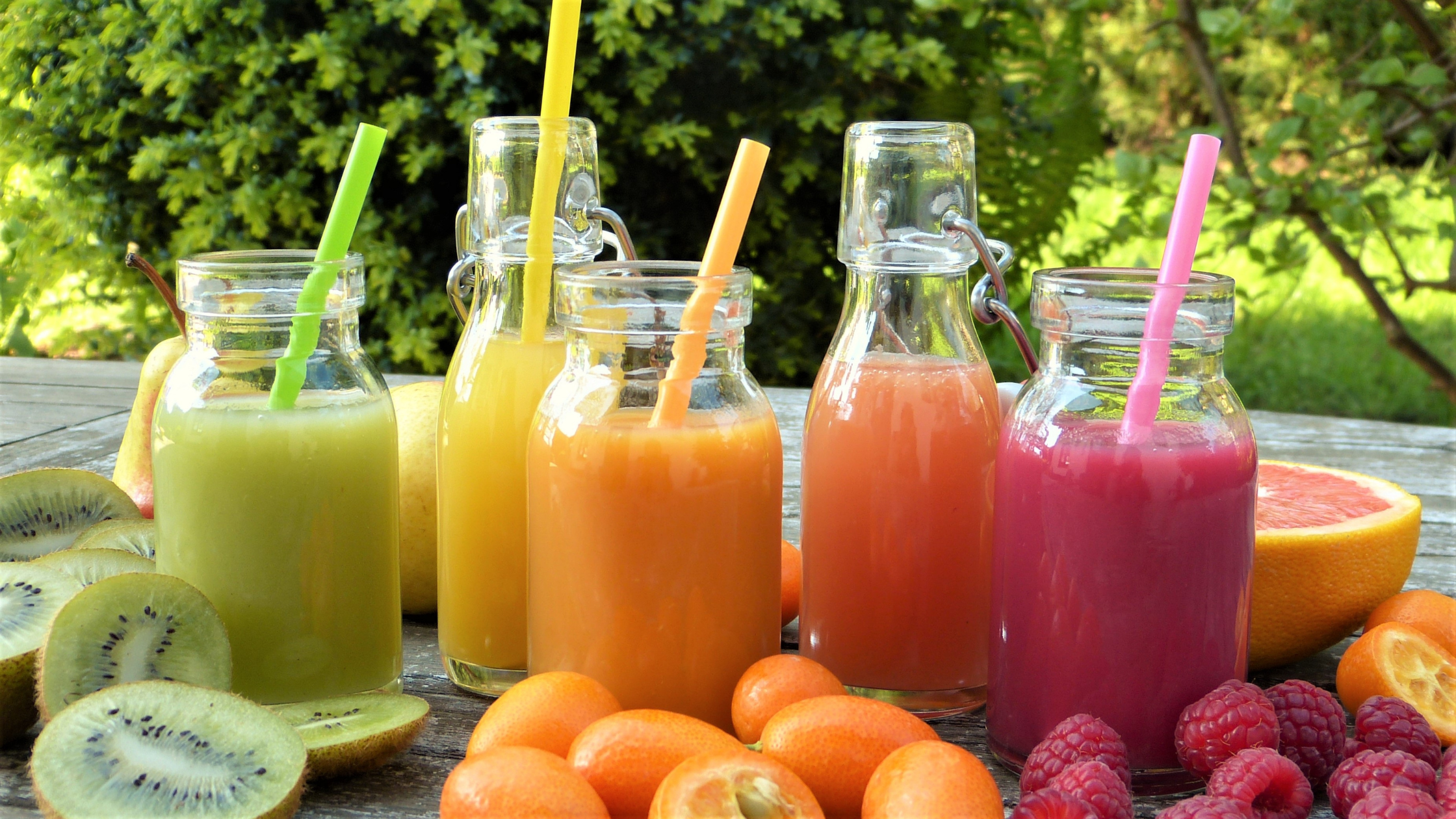
Remember that sunny morning last summer when I wandered into a bustling farmers’ market, lured by the vibrant stalls of oranges and apples? I grabbed a freshly squeezed orange juice from a vendor, thinking it was the ultimate health kickstart. The tangy burst was divine, but halfway through, I felt a sugar rush that left me jittery. That got me wondering— is this glowing elixir really the nutrient hero it’s cracked up to be? I’ve since dived into kitchens, chatted with nutritionists, and even experimented with my own juicer mishaps to unpack the truth. Fresh juices promise a vitamin-packed punch, but they might hide some sneaky downsides like missing fiber and hidden calories. Let’s peel back the layers together, blending facts with a dash of real-life flavor to see if that glass is half full or spilling over.
From backyard squeezes to trendy cold-pressed bottles, fresh juices have become synonymous with wellness. But as someone who’s swapped smoothies for whole fruits after a few too many energy crashes, I know the story isn’t black and white. We’ll explore the perks, pitfalls, and practical tips to help you sip smarter—whether you’re chasing better digestion or just a tasty hydration hack.
Unpacking the Appeal of Fresh Juices
Fresh juices burst onto the scene as a quick fix for busy lives, packing fruits and veggies into a portable sip. They’re marketed as nature’s multivitamin, often with claims of detoxing and energizing. Yet, beneath the hype, science shows they’re not always the superior choice over chomping on the real deal.
That first gulp feels like liquid sunshine, delivering antioxidants and hydration fast. But I’ve learned the hard way—after a week of carrot-apple blends—that without balance, they can spike energy then crash it. It’s all about context in your diet.
Picture this: A friend swore by green juices for glowing skin, but ended up with tummy troubles from overdoing it. Stories like hers highlight why moderation matters in this juicy debate.
What Exactly Are Fresh Juice Drinks?
Fresh juices come from squeezing or pressing raw produce, minus the pulp in many cases, for a nutrient-dense liquid. Think homemade orange squeezes or kale-cucumber mixes from your blender. They’re unprocessed, unlike store-bought versions with additives.
Cold-pressing preserves enzymes by avoiding heat, making them popular for raw food fans. But freshness fades fast—bacteria can creep in without pasteurization.
Ideal for boosting veggie intake if salads bore you. Just remember, they’re supplements, not meal replacements.
The Rise of Juicing Trends
Juicing exploded with wellness influencers touting cleanses and superfood blends in the 2010s. Social media flooded with rainbow-hued glasses promising vitality. Sales of home juicers skyrocketed as people sought easy nutrition.
Celebrity endorsements fueled the fire, but experts caution against all-juice diets. It’s a multibillion-dollar industry now, blending health with hype.
I’ve tried trendy beet juices for workouts—energizing, sure, but not miraculous. Trends evolve; focus on sustainable habits.
Nutritional Breakdown: Juice vs. Whole Produce
Diving into the nutrients, fresh juices offer vitamins like C and A quickly absorbed, but strip away fiber crucial for gut health. Whole fruits keep everything intact, slowing sugar release for steady energy. Studies show this difference impacts everything from blood sugar to fullness.
One cup of orange juice packs more sugar than a soda equivalent, minus the fiber buffer. Whole oranges? Lower calories, higher satisfaction.
This matchup reveals why experts favor biting over sipping for long-term wellness. Let’s compare the stats.
Vitamins and Minerals in Fresh Juices
Juices shine in delivering water-soluble vitamins like folate and potassium rapidly. A spinach-carrot mix can flood your system with iron and beta-carotene. No cooking means less nutrient loss.
But processing oxidizes some, reducing potency. Fresh is best consumed immediately.
Great for quick boosts, like post-flu recovery. I rely on lemon-ginger shots for immunity kicks.
Fiber Factor: What’s Missing in the Glass
Fiber’s the unsung hero juicing often discards, aiding digestion and cholesterol control. Without it, juices digest faster, potentially spiking insulin.
Whole produce’s insoluble fiber bulks stool; soluble types feed gut bacteria. Juices lack both.
This gap explains why juices don’t satisfy hunger like solids. Pulp-inclusive blends help bridge it.
Sugar Content Showdown
Natural sugars in juices concentrate, equaling or exceeding soda levels per serving. An apple’s fructose spreads out; juice condenses it.
This leads to quicker absorption, risking energy dips. Veggie-heavy juices tame the sweetness.
Monitor portions—eight ounces max daily, per guidelines. Balance with proteins for stability.
Health Benefits: The Sunny Side of Sipping
Fresh juices can amp up nutrient intake, especially if veggies aren’t your jam. They’re hydrating, enzyme-rich, and may support immunity with their antioxidant load. Small studies link them to better skin and detox aid.
I’ve felt the perk during travel slumps—a celery juice revived me once. But benefits shine brightest alongside whole foods.
They’re no cure-all, but a smart add-on for varied diets. Focus on diversity for max gains.
Boosting Immune Function Naturally
Vitamin C-packed citrus juices fend off colds by bolstering white blood cells. Antioxidants combat free radicals, reducing inflammation.
Beet juice’s nitrates improve blood flow, aiding oxygen delivery. Consistent sipping supports resilience.
During flu season, my go-to is turmeric-ginger for anti-inflammatory punch. Evidence backs modest immune lifts.
Hydration with a Flavor Twist
Juices add electrolytes like potassium, enhancing water absorption over plain H2O. Cucumber-mint blends quench thirst stylishly.
Ideal for hot days or workouts. I swap sports drinks for watermelon juice—natural and refreshing.
But don’t over-rely; water remains king. Juices’ calories add up.
Potential Detox and Digestion Aids
Enzymes in raw juices may ease digestion, breaking down foods efficiently. Chlorophyll in greens supports liver detox.
Anecdotal glow-ups abound, but science is mixed on “cleanses.” Fiber-less juices might not fully detox.
Gentle on sensitive stomachs. Start slow to avoid laxative effects.
Potential Downsides: When Juice Falls Flat
Despite the allure, juices can pack hidden calories, leading to weight creep if not mindful. High sugar sans fiber risks diabetes over time. Bacterial risks loom in unpasteurized batches.
My overzealous juicing phase added pounds—eye-opener. Moderation prevents pitfalls.
Overconsumption strains kidneys with oxalates. Balance is key to avoiding sour notes.
Blood Sugar Spikes and Crashes
Without fiber, sugars hit bloodstream fast, spiking glucose then dropping it. This rollercoaster fatigues and hungers.
Diabetics beware—monitor closely. Veggie juices mitigate this.
Studies link frequent fruit juice to higher type 2 risk. Opt for low-GI mixes.
Calorie Trap in Liquid Form
Juices condense calories; three oranges’ worth in one glass without fullness. Easy to overdrink.
Track intake like meals. I learned after a “healthy” habit turned caloric.
Blending retains fiber, curbing this. Smoothies often win here.
Bacterial Risks in Raw Juices
Unpasteurized juices harbor E. coli or salmonella from produce. Vulnerable groups face severe illness.
FDA warns: Pasteurize or boil for safety. Home juicers, wash thoroughly.
I’ve stuck to trusted sources post a scare. Safety first.
Juicing Methods: Cold-Pressed vs. Centrifugal
Cold-pressing crushes produce slowly, preserving nutrients without heat. Centrifugal blades spin fast, introducing air and oxidation.
Cold-pressed tastes fresher, lasts longer. But pricier machines.
I’ve invested in cold-press for quality. Method matters for max benefits.
Pros of Cold-Pressed Juices
Minimal heat retains enzymes and vitamins. Yields more juice, less waste.
Nutrient-dense for health boosts. Popular in wellness circles.
Downside: Time-consuming. Worth it for purists.
Cons of Traditional Juicers
Heat from blades degrades nutrients. Foamier, separates quicker.
Cheaper, faster for beginners. But less efficient long-term.
Transitioned from centrifugal—noticed flavor difference immediately.
Comparing Fresh Juices to Whole Fruits and Veggies
Whole produce trumps juice in fiber, satiety, and sustained energy. Juices offer convenience but at a nutritional cost.
A table highlights key diffs: Fiber high in wholes, absent in juices; calories denser in liquids.
Pros/cons balance the scale. Whole wins for daily, juice for supplements.
| Aspect | Whole Fruits/Veggies | Fresh Juices |
|---|---|---|
| Fiber Content | High (3-5g per serving) | Low to none |
| Sugar Absorption | Slow, steady | Rapid spikes |
| Calorie Density | Lower (e.g., apple: 80 cal) | Higher (e.g., apple juice: 120 cal/8oz) |
| Nutrient Retention | Full spectrum | Some loss in processing |
| Satiety Level | High, fills you up | Low, quick hunger return |
This snapshot shows wholes edge out for overall health. Juice as occasional treat.
- Whole Produce Pros: Cheaper, versatile in meals; Cons: Prep time.
- Fresh Juice Pros: Fast absorption, variety; Cons: Expensive, less filling.
Mix both for best worlds.
Making Smart Choices: Tips for Healthier Juicing
Select organic produce to minimize pesticides. Mix greens with fruits for balance.
Portion control: Stick to 8-12oz daily. Add back pulp for fiber.
Home juicing empowers customization. Experiment safely.
Best Ingredients for Nutrient-Packed Blends
Leafy greens like kale for iron; beets for blood pressure. Citrus adds zing and C.
Carrots for vision; ginger for anti-nausea. Diversity maximizes benefits.
My fave: Spinach-apple-celery—energizing without overload.
Tools for Home Juicing Success
Masticating juicers preserve nutrients best. Budget? Start with blenders.
Strainers remove pulp if desired. Clean immediately to prevent bacteria.
Links to top juicers on Amazon. Invest wisely.
Recipes to Try at Home
Green Glow: Kale, cucumber, lemon—detox delight.
Blend, strain, enjoy fresh. Serves one.
Beet Boost: Beets, carrots, apple—earthy energy.
Simple, nutritious starters.
For more, visit Allrecipes juicing section.
Where to Find Quality Fresh Juices
Local markets offer farm-fresh squeezes. Juice bars like Juice Press for pros.
Grocery chains stock cold-pressed brands. Check labels for no additives.
Online subscriptions deliver convenience. Suja Juice site for options.
- Farmers’ Markets: Seasonal, authentic.
- Health Stores: Organic selections.
- DIY: Ultimate control.
Reviews on Yelp juice spots.
People Also Ask: Juicy Questions Answered
Google searches reveal common curios like “Is juicing healthy?” Here’s the lowdown from top queries.
Is juicing healthier than eating whole fruits? No—whole fruits provide fiber juices lack, per Mayo Clinic.
Is 100% fruit juice good for you? In moderation, yes for nutrients, but watch sugar; Cleveland Clinic notes it’s like soda in sweetness.
What is the healthiest juice? Veggie-based like beet or pomegranate, low sugar, per TODAY.
Is juicing worth it? For nutrient boosts, yes; but not for detox myths, says Colorado State.
These tackle core concerns head-on.
FAQ: Squeezing Out the Facts
Real questions from folks like you, answered straight.
Are fresh juices better than bottled ones? Yes—less processing preserves nutrients, but drink soon to avoid bacteria.
Can fresh juices help with weight loss? Possibly as low-cal swaps, but high sugar can hinder; pair with meals.
Where to buy quality juicers? Check Consumer Reports reviews.
Is vegetable juice healthier than fruit juice? Often yes—lower sugar, more minerals; great for balance.
Do fresh juices count toward 5-a-day? Up to one serving, per guidelines; wholes for the rest.
Share your queries below—let’s chat juices.
Wrapping up, fresh juices sparkle with potential but shine brightest as diet sidekicks, not stars. My journey from juice junkie to balanced biter taught me wholes often win, but a thoughtful sip adds zest. What’s your take—team juice or team crunch? Dive in, experiment, and savor the health that feels right for you.
(Word count: 2,652)