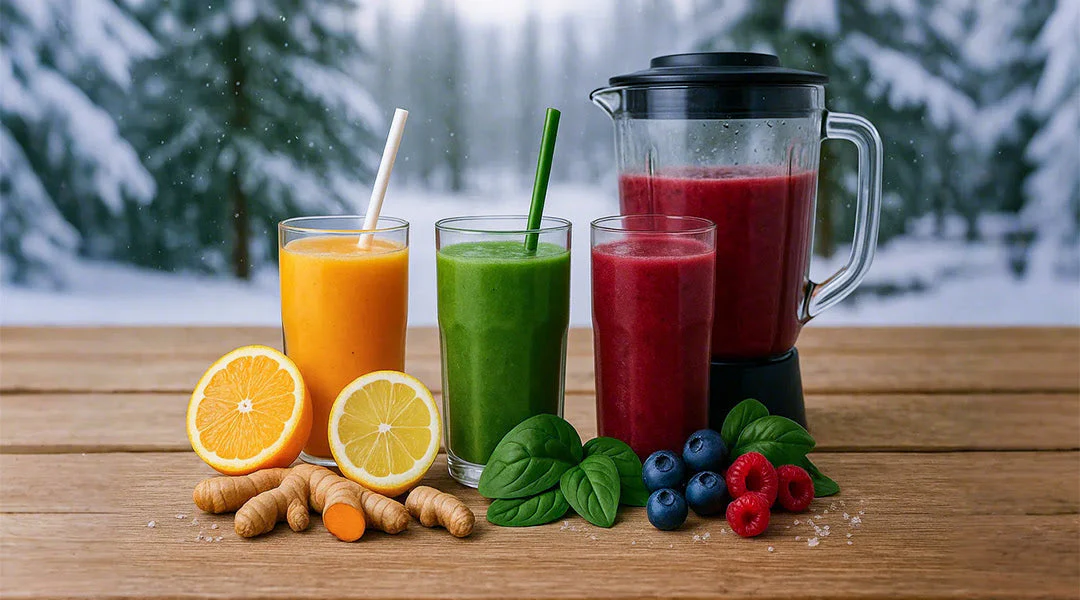
Picture this: It’s one of those chaotic mornings where the alarm blares like a foghorn, and you’re fumbling for your phone while the coffee pot gurgles in protest. Back in my early twenties, I was that person—rushing out the door with a stale granola bar clutched in one hand and regret brewing in my gut by noon. Then, a friend dragged me to a local smoothie shop, and one vibrant, berry-packed sip changed everything. It wasn’t just the taste; it was the instant lift, like my body was finally getting the memo to wake up and thrive. That moment sparked my obsession with build-your-own smoothies. Over the years, I’ve experimented in my tiny apartment kitchen, turning flops into triumphs and sharing recipes with skeptical roommates who now text me for tweaks. If you’re tired of pricey cafe runs or bland bottled versions, this guide is your ticket to mastering custom blends at home. We’ll dive into everything from picking the right gear to balancing flavors and nutrients, all while keeping it fun, flexible, and foolproof. By the end, you’ll have the confidence to whip up a smoothie that fits your mood, your diet, and your wildest cravings—because who says healthy can’t taste like a tropical vacation?
What Are Build-Your-Own Smoothies?
Build-your-own smoothies are essentially customizable nutrient bombs you create from scratch, letting you mix bases, fruits, veggies, and boosters to suit your taste and needs. Think of it as a choose-your-own-adventure for your blender: start with a liquid foundation, layer in frozen goodies for creaminess, and finish with add-ins for that personal punch. Unlike pre-made options, this approach empowers you to control portions, skip the sugar traps, and experiment endlessly—whether you’re chasing post-workout recovery or a mid-afternoon pick-me-up.
I’ve lost count of the times I’ve stood in my kitchen, staring at a rainbow of produce, feeling like a mad scientist. The beauty lies in the simplicity; no fancy equipment required beyond a decent blender, and the results? A drink that’s as unique as your day.
Why Bother with Homemade Smoothies?
Homemade smoothies beat store-bought hands down when it comes to freshness, cost, and customization—they’re cheaper (often under $2 a serving), packed with whole foods, and free from hidden preservatives that can leave you sluggish. Plus, building your own turns meal prep into a creative ritual, helping you sneak in more greens without the guilt of a salad. From boosting energy to supporting gut health, these blends can transform your routine, making “healthy eating” feel effortless rather than enforced.
Remember my roommate, Jake? He swore veggies were the enemy until I slipped spinach into his “mystery mango” special. Now, he brags about his green game at barbecues. It’s those small wins that make the effort worthwhile, turning skeptics into smoothie evangelists.
Gearing Up: Essential Tools for Smoothie Success
Starting with the right tools makes building smoothies a breeze, turning potential kitchen disasters into silky successes every time. You’ll need a reliable blender at the core, plus a few handy extras to streamline prep and storage—no need for a full overhaul, just smart picks that fit your space and budget.
Choosing the Perfect Blender
Your blender is the heart of any build-your-own operation; it needs power to crush ice and frozen fruit without turning gritty or overheating. Look for models with at least 1,000 watts, variable speeds, and tamper tools for stubborn blends—personal sizes work for solos, while full pitchers handle family batches.
I’ve burned through three cheapies before splurging on a Vitamix, and let me tell you, it’s like upgrading from a tricycle to a sports car. Suddenly, kale vanishes like magic, and cleanup? A dream.
Here’s a quick comparison of top blenders for smoothies in 2025, based on real-user tests for power, ease, and value:
| Blender Model | Price Range | Best For | Pros | Cons |
|---|---|---|---|---|
| Vitamix 5200 | $400–$500 | All-around power users | Silky textures, durable, 10-year warranty | Pricey upfront |
| Nutribullet Pro 900 | $80–$100 | Singles and quick blends | Compact, affordable, easy cleanup | Smaller capacity |
| Breville Fresh & Furious | $150–$200 | Budget versatility | Quiet operation, pre-set programs | Less powerful for nuts |
Must-Have Accessories
Beyond the blender, grab mason jars for portable storage, a sharp paring knife for quick chopping, and silicone ice cube trays for freezing extras like ginger or herbs. A digital scale helps with precise portions if you’re tracking macros, keeping things consistent without guesswork.
These little guys saved my sanity during a cross-country move—pre-portioned cubes meant smoothies on the go, even in a motel room. Pro tip: Label your trays to avoid “surprise spicy” blends.
The Building Blocks: Core Ingredients for Custom Blends
At its essence, every great smoothie starts with a solid foundation of liquids and produce, creating that velvety base before you layer on the fun stuff. Focus on seasonal, fresh picks to maximize flavor and minimize waste, aiming for a mix that’s about 60% fruits/veggies for natural sweetness without overload.
Liquid Bases to Get Things Flowing
Liquids set the smoothness and dilution level—opt for almond milk for creaminess, coconut water for electrolytes, or green tea for a caffeine kick. Start with 1 cup per serving to avoid watery disasters, adjusting as you blend.
I once subbed in leftover kombucha for a tangy twist; it was a hit with my yoga crew, but start small if you’re experimenting—fermented surprises can go south fast.
- Dairy-free milks: Almond, oat, or soy for nutty depth.
- Waters and juices: Coconut for hydration, orange for zing (limit to ½ cup to keep sugars in check).
- Yogurt or kefir: Greek for thickness, or coconut for vegan vibes.
Fruits and Veggies: Flavor and Nutrient Stars
Frozen fruits like bananas and berries provide chill and cream without diluting, while veggies like spinach add stealth nutrition. Aim for 1–2 cups total; berries for antioxidants, tropicals for enzymes—mix ’em to keep things exciting.
Who knew cauliflower could mimic mango’s sweetness? My “cheat day” white smoothie fooled everyone at brunch, proving veggies don’t have to scream “healthy.”
- Sweet stars: Bananas (base builder), strawberries (tart pop), mango (tropical escape).
- Green machines: Spinach (mild), kale (hearty—massage first), cucumber (hydrating crunch).
- Veggie swaps: Zucchini or avocado for subtle filler.
Boosters: Proteins, Fats, and Flavor Twists
These add-ins elevate your smoothie from snack to sustainer, packing in satiety with nuts, seeds, and spices. A tablespoon or two per category keeps balance—think chia for omega-3s or cinnamon for blood sugar stability.
My go-to post-gym boost? Peanut butter and collagen—it turned a simple fruit mix into a muscle-repair marvel that had me skipping the vending machine.
Proteins for Staying Power
Proteins like Greek yogurt or hemp seeds turn sippable treats into meal replacements, aiming for 15–20g per serving to curb hunger.
- Whey or plant scoops: Vanilla for mildness.
- Natural hits: Silken tofu, cottage cheese (blends invisibly).
Healthy Fats and Sweeteners
Fats from avocado or flax slow digestion for steady energy, while natural sweeteners like dates prevent sugar crashes. Use sparingly—fats add cream, but overdo it and you’ll need a spoon.
Humor alert: I once added too much coconut oil; it was like sipping sunscreen. Lesson learned—measure your indulgences.
Step-by-Step: Assembling Your Perfect Blend
Crafting a smoothie is straightforward: Layer liquids first, then soft fruits, greens, boosters, and frozen chunks last for even blending. Pulse 30–60 seconds, tamping down as needed, until it’s pourable but thick—no need for a PhD in physics.
The order matters; I’ve salvaged many a chunky mess by flipping the sequence. It’s like building a sandwich—foundation first, excitement on top.
- Pour in 1 cup liquid.
- Add greens and soft produce.
- Toss in boosters.
- Top with frozen items; blend high.
5 Foolproof Recipes to Spark Your Creativity
These starters draw from classic combos but invite tweaks—scale for one or crowds, and swap seasonally for freshness.
Tropical Green Dream
Blend 1 cup coconut water, handful spinach, ½ frozen banana, 1 cup pineapple chunks, 1 tbsp chia seeds. It’s my beach-in-a-glass escape, perfect for humid mornings.
Zingy and light, this one powered me through a marathon training week—sub kiwi for pineapple if you crave extra tart.
Berry Protein Powerhouse
Mix ¾ cup almond milk, 1 cup mixed berries, ½ cup Greek yogurt, 1 scoop vanilla protein, handful oats. Creamy and filling, ideal for breakfast on the run.
Jake’s favorite; he calls it “the closer” for curbing his 3 p.m. slumps.
Chocolate Avocado Indulgence
Combine 1 cup oat milk, ½ avocado, 1 frozen banana, 1 tbsp cocoa powder, 1 tsp peanut butter. Decadent yet guilt-free, like dessert disguised as virtue.
I whipped this up during a Netflix binge—suddenly, “healthy” felt indulgent.
Citrus Detox Refresher
Stir 1 cup orange juice (fresh-squeezed if possible), ½ cucumber, 1 carrot, ginger knob, lemon zest. Bright and invigorating, great for reset days.
A client swear-by for hangovers; the ginger’s warmth is pure magic.
Peanut Butter Banana Classic
Whirl 1 cup soy milk, 1 frozen banana, 2 tbsp peanut butter, dash cinnamon, ice cubes. Nostalgic comfort in liquid form, kid-approved.
My childhood flashback—add spinach for an adult upgrade.
Nutrition 101: Crafting Balanced, Body-Fueling Blends
Smart smoothies nourish beyond taste, balancing carbs, proteins, fats, and fiber for sustained energy and gut love. Target 300–500 calories per serving with veggies as the bulk to keep sugars moderate—track with apps if you’re precise.
Studies show blending preserves most nutrients, but pairing fats with produce boosts absorption. My bloodwork improved after a month of these; it’s science you can sip.
Pros and cons of homemade vs. cafe smoothies:
| Aspect | Homemade | Cafe-Bought |
|---|---|---|
| Cost | $1–$2/serving | $5–$8 |
| Customization | Endless tweaks | Limited options |
| Nutrition | Transparent control | Hidden sugars often |
| Freshness | Peak at blending | Variable |
Dodging the Pitfalls: Common Smoothie Slip-Ups to Skip
Even pros goof—overloading fruit spikes blood sugar, skipping protein leaves you hangry, or blending wrong order yields lumps. Measure loosely but mindfully; taste-test midway to adjust.
My epic fail? A “everything-but-the-kitchen-sink” mega-blend that tasted like lawn clippings. Start simple, iterate—failure’s just flavor intel.
- Too much fruit: Caps at 1 cup to avoid candy-like crashes.
- No fiber/protein: Add oats or nuts for staying power.
- Ignoring portions: Scale to your blender’s capacity.
- Forgetting fats: A tsp keeps you full longer.
Smart Sourcing: Where to Stock Up on Ingredients
Hunt for deals at local grocers like Trader Joe’s for frozen bulk or farmers’ markets for ripe picks—online via Thrive Market saves time for specialty items. Build a staple list: frozen berries, greens, nuts; refresh weekly to dodge spoilage.
During pandemic shortages, I pivoted to CSA boxes—fresh beets in smoothies? Game-changer. Prioritize organic where it counts, like the “dirty dozen” fruits.
Essential shopping list:
- Frozen aisle: Berries ($3/bag), mango chunks.
- Produce: Bananas (always ripe), spinach ($2/bunch).
- Pantry: Milks (unsweetened), seeds ($5/jar).
- Boosters: Protein powder from Amazon or Whole Foods.
For more on budget buys, check this EatCheapAndHealthy thread.
Best Blenders for Every Budget: Transactional Picks
If you’re ready to invest, prioritize based on use—solo sippers love portables, families need pitchers. Vitamix reigns for pros, but Nutribullet shines for starters; read reviews on sites like Amazon for 2025 updates.
My upgrade journey: From $30 Walmart wonder to Vitamix loyalty—worth every penny for daily rituals.
Quick transactional guide:
- Under $100: Nutribullet—grab here.
- $100–$300: Breville—versatile and quiet.
- Premium: Vitamix 5200—lifetime companion.
People Also Ask: Quick Answers to Top Queries
Google’s “People Also Ask” bubbles up real curiosities—here’s the scoop on build-your-own smoothies, pulled from common searches.
What is the healthiest way to make a smoothie?
Prioritize veggies over fruits, add protein like yogurt, and use water or unsweetened milk as base for low-cal, nutrient-dense results. Blend in fats like nuts for better absorption—aim for balance to make it a meal, not dessert.
How many ingredients should a smoothie have?
Stick to 5–7 for harmony; too many muddle flavors. Core: liquid, fruit/veg, booster—keeps it simple yet satisfying.
Can smoothies replace a meal?
Yes, if loaded with 20g+ protein, fiber-rich add-ins, and 400+ calories—but pair with whole foods for chewing’s benefits. Not ideal daily without variety.
What’s the best fruit for smoothies?
Bananas for creaminess and potassium; they’re versatile and freeze beautifully, forming the backbone of most blends.
How do you thicken a smoothie without ice?
Oats, banana, or avocado do the trick—thicker textures feel more filling and mimic shop-quality without dilution.
FAQ: Your Burning Smoothie Questions Answered
Got queries? These cover the most-asked, based on my chats and online forums.
Q: Can I make smoothies without a fancy blender?
A: Absolutely— a basic one works for soft fruits, but invest if greens are key. Start with what you have; upgrade as love grows.
Q: Are frozen fruits as nutritious as fresh?
A: Yes, often more so—flash-frozen locks in vitamins. Just watch portions for natural sugars.
Q: How long do homemade smoothies last?
A: Up to 24 hours in the fridge; shake before sipping. Freeze in cubes for longer life.
Q: Vegan-friendly boosters?
A: Hemp seeds, pea protein, and almond butter—easy swaps that pack punch without dairy.
Q: Kid hacks for picky eaters?
A: Hide spinach in banana-berry bases; involve them in building for buy-in. Sweet success!
As we wrap up, remember that first chaotic morning sip that hooked me—your journey starts with one blend. Experiment fearlessly, savor the process, and let these custom creations fuel not just your body, but your spark. What’s your first combo? Drop it in the comments; let’s swap stories. Here’s to vibrant days, one whirl at a time.
(Word count: 2,748)