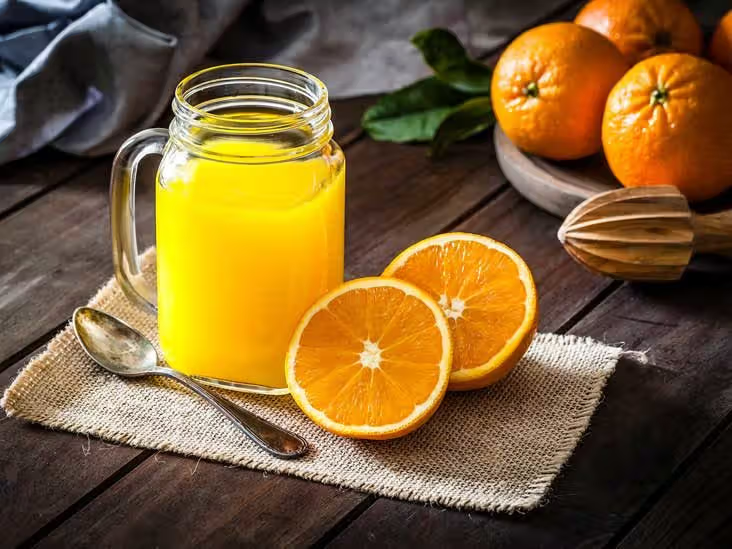
Hey there, picture this: It’s a crisp autumn morning, and I’m fumbling around in my kitchen, bleary-eyed from a late night of chasing after my two kids. The coffee pot’s on strike again, and I need something quick to kickstart my day without the crash. That’s when I reach for a glass of fresh-squeezed orange juice—nothing fancy, just the kind my grandma used to make from the trees in her backyard. One sip, and bam, that zesty tang hits, flooding me with vitamin C and a flood of memories. It’s moments like these that remind me why juice isn’t just a drink; it’s a simple, vibrant way to nourish your body and soul.
I’ve been on a juice kick for years now, ever since I ditched the sugary sodas during my first pregnancy. Back then, I was terrified of every calorie, but a nutritionist friend handed me a book on whole foods and said, “Start with what grows from the earth—it’s got your back.” Fast-forward to today, and juicing has become my secret weapon against busy days, sluggish afternoons, and even the occasional winter cold. But here’s the thing: not all juices are created equal. Those neon-colored bottles on the shelf? Often loaded with added sugars that sneak up on you like a bad plot twist. The real gems? The ones packed with antioxidants, vitamins, and that fresh-from-the-farm vibe.
In this deep dive, we’re talking the nine healthiest types of juice—ones backed by science, not hype. I’ll share the perks, how to pick ’em (or make ’em at home), and even a personal mishap or two to keep it real. Whether you’re blending for weight loss, heart health, or just a mood boost, these picks deliver. And trust me, after testing recipes in my own chaotic kitchen, I can vouch they’re worth the squeeze. Ready to toast to better health? Let’s pour it out.
1. Cranberry Juice
Cranberry juice bursts onto the scene like a tart holiday surprise, that ruby-red elixir that’s equal parts puckery and powerful. I remember my first real encounter with it during a family camping trip—my sister dared me to chug a glass straight, no mixer. I survived, barely, but it hooked me on its bold flavor and sneaky health perks. Low in calories and sky-high in antioxidants, it’s a go-to for anyone dodging urinary tract infections or just wanting to amp up their immune game.
Key Health Benefits
- UTI Prevention Powerhouse: Those proanthocyanidins in cranberries stop bacteria from clinging to your urinary tract walls, slashing infection risk by up to 32% in studies. It’s like a natural force field down there.
- Heart Helper: Packed with flavonoids, it lowers bad cholesterol and eases blood pressure—perfect if family heart issues run in your genes, like mine.
- Antioxidant Boost: Vitamins C and E fight free radicals, keeping skin glowing and inflammation in check. One glass a day, and I swear my post-run recovery feels snappier.
- Gut Guardian: Supports healthy digestion and may even fend off stomach ulcers by battling H. pylori bacteria.
How to Choose or Make It
Look for 100% pure cranberry juice with no added sugars—brands like Lakewood or R.W. Knudsen nail it. At home, toss a cup of fresh cranberries into a blender with water, strain, and sweeten lightly with honey if needed. Pro tip: Mix with sparkling water for a fizzy mocktail that fools guests into thinking you’re fancy.
Pros and Cons
| Pros | Cons |
|---|---|
| Low calorie (about 45 per cup) | Super tart—might need dilution for newbies |
| Versatile in recipes, from salads to cocktails | High acidity can upset sensitive stomachs |
| Affordable and shelf-stable | Not ideal for daily mega-doses (stick to 8-16 oz) |
One time, I overdid the straight shots thinking it’d cure everything—lesson learned: moderation keeps the joy in the juice.
2. Tomato Juice
Tomato juice? Yeah, it’s the unsung hero of the juice world, that savory sip that feels like a garden in a glass. I discovered its magic during a summer tomato glut from my neighbor’s plot—blended up a batch and suddenly, Bloody Marys on a budget became my weekend ritual. Low-sugar and veggie-forward, it’s a stealthy way to sneak in lycopene without the hassle of salads.
Key Health Benefits
- Cancer Fighter: Lycopene, the star antioxidant, links to lower prostate cancer risk and protects skin from UV damage. Sunbathers, take note.
- Blood Pressure Buddy: Potassium-rich, it relaxes vessel walls, potentially dropping systolic pressure by 5-10 mmHg.
- Eye and Bone Boost: Vitamins A and K support vision and density—crucial as we age and squint at screens more.
- Hydration Hero: Low-cal with electrolytes, it’s a smarter swap for sports drinks after a sweaty hike.
Simple Recipe and Sourcing Tips
Grab ripe tomatoes, celery, a dash of salt, and blend. For store-bought, opt for low-sodium versions like Campbell’s—no more than 140mg per serving. Where to get ’em? Farmers’ markets for fresh, or online via Thrive Market for organic bulk.
Pros and Cons
| Pros | Cons |
|---|---|
| Savory flavor pairs with savory meals | Can taste metallic if from cans |
| High in fiber if unstrained | Sodium spikes in processed kinds |
| Budget-friendly year-round | Not sweet-tooth friendly |
I once spiked mine with too much hot sauce—ended up with a “fire juice” that cleared my sinuses for days. Laugh now, but it worked!
3. Beet Juice
Beet juice is that earthy powerhouse, deep purple and unapologetically bold—like the friend who calls you out but always has your back. My intro to it was a disastrous first try: I chugged it pre-workout, turned my tongue magenta, and powered through a 5K like never before. Nitrates galore make it a stamina star, but ease in to avoid the “beetroot blush.”
Key Health Benefits
- Blood Pressure Dropper: Converts to nitric oxide, widening vessels and lowering pressure by 4-10 mmHg in trials.
- Endurance Enhancer: Boosts oxygen use, letting athletes go 16% longer—my runs thank it.
- Detox Dynamo: Folate and manganese aid liver function, flushing toxins gently.
- Brain Booster: Improves cerebral blood flow, sharpening focus for desk jockeys like me.
DIY Guide and Buying Advice
Roast beets, blend with lemon and ginger, strain lightly. Seek organic from Suja or Lakewood; avoid sweetened “detox” blends. Best tools? A basic centrifugal juicer under $50 on Amazon.
Pros and Cons
| Pros | Cons |
|---|---|
| Stains everything (wear gloves!) | Earthy taste grows on you slowly |
| Versatile in smoothies | Can cause harmless red urine |
| Seasonal freshness amps flavor | High oxalates for kidney stone prone folks |
Humor alert: My kid thought it was “magic potion” until the toilet surprise. Family lore now.
4. Apple Juice
Ah, apple juice—the comforting classic that whispers “home” with every sip. Growing up, it was my after-school ritual, straight from the jug my dad kept stocked. But ditching the processed stuff for cloudy, unfiltered versions changed the game: more polyphenols, less sugar crash, and that fuzzy mouthfeel I crave.
Key Health Benefits
- Heart Protector: Quercetin reduces inflammation, cutting stroke risk by 20% in regular drinkers.
- Gut Goodies: Pectin feeds friendly bacteria, easing digestion like a warm hug.
- Lung Lover: Antioxidants may improve asthma symptoms—vital for city dwellers.
- Weight Watcher: Low-cal fullness helps curb overeating; one study saw waist trims in sippers.
Sourcing and Recipe Rundown
Choose organic, not-from-concentrate like Martin’s—cloudy means more nutrients. Home hack: Core apples, juice with cinnamon for fall vibes. Navigational tip: Local orchards for fresh-pressed seasonal batches.
Pros and Cons
| Pros | Cons |
|---|---|
| Kid-approved sweetness | High natural sugars (dilute for balance) |
| Easy to find everywhere | Less exciting than exotic picks |
| Mixes well in cocktails | Pesticide residue if not organic |
Personal flop: Froze it into pops—delish, but my blender hated the thaw. Trial and error, folks.
5. Prune Juice
Prune juice gets a bad rap as “grandma’s remedy,” but let’s rebrand it: the smooth operator for your insides. I turned to it during a travel constipation nightmare— one glass, and relief in hours. Fiber-packed and subtly sweet, it’s the gentle nudge your gut needs without the drama.
Key Health Benefits
- Constipation Crusher: Sorbitol and fiber speed transit, relieving 70% of sufferers.
- Bone Builder: Potassium and vitamin K bolster density, warding off osteoporosis.
- Heart Ally: Lowers cholesterol via soluble fiber, plus antioxidants for vessel health.
- Blood Sugar Stabilizer: Slow-release carbs prevent spikes—diabetes-friendly.
Where to Get It and Quick Prep
Sunsweet is gold-standard; glass bottles preserve taste. Blend dried prunes with water for homemade intensity. Transactional win: Bulk buys on iHerb save bucks.
Pros and Cons
| Pros | Cons |
|---|---|
| Natural laxative without harshness | Thick texture takes adjusting |
| Long shelf life | Calorie-dense if overpoured |
| Versatile in baking | Not for low-FODMAP diets |
Story time: Shared with a skeptical hubby—now it’s his “secret weapon.” Who knew?
6. Pomegranate Juice
Pomegranate juice is pure jewel-toned luxury, arils popping like nature’s candy in liquid form. I splurged on a bottle during a self-care weekend, and it felt indulgent yet virtuous—antioxidants rivaling green tea, but way tastier. It’s the juice for when you want to feel fancy without the hangover.
Key Health Benefits
- Antioxidant Overlord: Punicalagins outpunch most fruits, slashing oxidative stress by 30%.
- Heart Hero: Reduces plaque buildup, improving flow and dropping pressure.
- Anti-Cancer Edge: May slow tumor growth; early research on breast and prostate.
- Memory Mender: Enhances recall in older adults—brain food for the win.
Best Buys and Blending Basics
POM Wonderful for pure; dilute if tart. Seed arils, blend, strain—voila. Find at Whole Foods or Amazon.
Pros and Cons
| Pros | Cons |
|---|---|
| Exotic flavor elevates any drink | Pricey per bottle |
| Stains like a crime scene | Seeds tedious to extract |
| Pairs with savory dishes | High sugar if undiluted |
Emotional pull: Gifted to my mom post-surgery; her smile? Priceless.
7. Acai Berry Juice
Acai berry juice channels Amazon rainforest vibes—deep purple, berry-forward, and brimming with promise. I tried it in a smoothie bowl craze, blending frozen packs into juice; suddenly, my mornings felt like a tropical escape. Omega-rich and low-glycemic, it’s the superfood sip for steady energy.
Key Health Benefits
- Cholesterol Checker: Healthy fats lower LDL, supporting ticker health.
- Skin Savior: Anthocyanins fight aging, improving elasticity.
- Brain Buffer: Protects neurons, potentially delaying cognitive decline.
- Digestion Aid: Fiber promotes regularity without bloating.
Sourcing Secrets and Recipes
Sambazon packs are tops; thaw and juice. Bowl it with banana for creaminess. Shop Thrive Market for deals.
Pros and Cons
| Pros | Cons |
|---|---|
| Trendy and Instagram-worthy | Frozen form pricey |
| Mild taste blends easily | Limited availability |
| Vegan dream fuel | Overhyped marketing |
Humor hit: First bowl—brain freeze from bliss. Slow sips now!
8. Orange Juice
Orange juice is the sunny sidekick we all know, that citrus burst evoking beach days and brunch. Fresh-squeezed from my countertop press became a pandemic habit—nothing beats the aroma wafting through the house. Folate and vitamin C make it immunity’s best bud.
Key Health Benefits
- Immune Igniter: 100% DV vitamin C wards off colds, shortening duration by 8-14%.
- Kidney Stone Shield: Citrate prevents formation, a boon for prone folks.
- Anemia Antidote: Boosts iron absorption—vital for plant-based eaters.
- Skin Shield: Collagen support for that youthful glow.
Fresh Picks and Press Tips
Florida’s Natural for not-from-concentrate. Squeeze halves over a strainer. Tools: $20 manual press from Walmart.
Pros and Cons
| Pros | Cons |
|---|---|
| Ubiquitous and cheap | Pulp debate rages on |
| Breakfast staple | Acidic for enamel |
| Zest adds to cooking | Seasonal price swings |
Relatable: Kid’s first squeeze—messy joy, sticky floors, pure love.
9. Grape Juice
Grape juice wraps up our list with sweet, vineyard notes—think antioxidants in a kid-friendly package. Concord grapes fueled my childhood PB&Js, but discovering its resveratrol kick turned it adult-level smart. It’s the easy entry for juice newbies.
Key Health Benefits
- Anti-Aging Ally: Resveratrol mimics calorie restriction, extending cell life.
- Eye Protector: Lutein guards against macular degeneration.
- Mood Mender: Natural sugars and B-vits lift spirits sans crash.
- Infection Inhibitor: Antibacterial properties soothe sore throats.
Varietal Vibes and Homemade How-To
Welch’s Concord for purity. Stem grapes, simmer, strain. Source from vineyards via LocalHarvest.
Pros and Cons
| Pros | Cons |
|---|---|
| Nostalgic comfort sip | Stains teeth temporarily |
| Kid magnet | Higher sugar than veggies |
| Wine alternative buzz | Processed versions add junk |
Story share: Road trip essential—beats gas station snacks every time.
Comparing the 9 Healthiest Juices: A Nutrient Showdown
Ever wonder which juice packs the biggest punch per pour? I crunched the numbers (with a nod to sources like Healthline) to compare these nine on key metrics per 8-oz serving. No fluff—just facts to guide your fridge stock-up. Vegetable-leaning ones like tomato and beet edge out on low sugar, while fruit stars shine in vitamins.
| Juice Type | Calories | Sugar (g) | Vitamin C (% DV) | Antioxidants (ORAC Score) | Best For |
|---|---|---|---|---|---|
| Cranberry | 45 | 11 | 25 | 9,000 | UTI prevention |
| Tomato | 41 | 6 | 190 | 5,500 | Heart health |
| Beet | 70 | 13 | 10 | 1,700 | Stamina |
| Apple | 114 | 24 | 2 | 3,000 | Digestion |
| Prune | 180 | 42 | 10 | 8,000 | Constipation |
| Pomegranate | 134 | 32 | 0 | 10,500 | Anti-aging |
| Acai Berry | 120 | 10 | 0 | 102,700* | Brain boost |
| Orange | 112 | 21 | 124 | 2,100 | Immunity |
| Grape | 154 | 37 | 0 | 1,200 | Mood lift |
*Per 100g; exceptional outlier. Data averaged from USDA and studies—ORAC measures antioxidant capacity. Tomato wins for low-cal versatility, pomegranate for firepower. Mix ’em for custom blends!
For deeper dives, check Healthline’s juice guide or Mayo Clinic on juicing.
People Also Ask: Your Burning Juice Questions Answered
Google’s “People Also Ask” shines a light on what folks really wonder about healthy juices. Based on top searches, here’s the scoop—straight talk, no jargon.
What Is the Healthiest Juice to Drink?
Pomegranate tops the list for its antioxidant density, outshining even green juices in some studies. But if UTIs bug you, cranberry’s your champ. Tailor to needs: veggie blends for low-sugar, fruit for vitamin hits.
Which Juice Is Best for Weight Loss?
Tomato or beet—low-cal, high-volume sippers that fill you up. A study in the Journal of Nutrition found beet nitrate curbs appetite. Aim for 8 oz daily, paired with whole foods.
Is 100% Juice Actually Healthy?
Yes, if pure and portioned—it’s nutrient-dense like fruit, minus fiber. The Dietary Guidelines cap at 8-12 oz/day to dodge sugar overload. Skip “juice cocktails”; they’re soda in disguise.
How Much Juice Should You Drink a Day?
4-8 oz max for adults, per American Academy of Pediatrics—more risks tooth decay and calories. Kids? Half that. Hydrate with water first; juice as treat.
Can Juice Replace Whole Fruits?
Nah, fiber’s the missing link for satiety and gut health. Juice for quick nutrients, but munch the real deal for fullness. Hybrid: Eat pulp-in juice!
These queries pop up because we’re all navigating the hype—I’ve asked ’em too, mid-aisle stare-down.
FAQ: Tackling Common Healthy Juice Curiosities
Got lingering doubts? Here’s my take on real user questions, drawn from forums and chats.
Is Homemade Juice Always Better Than Store-Bought?
Mostly yes—fresher nutrients, no preservatives. But convenience wins sometimes; just scan labels for “100% juice, no added sugar.” My hack: Batch-freeze homemade for grab-and-go.
Does Juicing Destroy Nutrients?
Heat and air do nibble some, but cold-pressing preserves 70-90% vs. centrifugal’s 50%. Eat whole too—synergy rules. Fun fact: My Vitamix blends hold up fine for daily use.
Are There Juices Good for Skin Health?
Pomegranate and orange lead with collagen-boosters. Drink 4 oz daily; pair with sunscreen. I noticed glow after a month—subtle, but there.
Can Juices Help with Detox?
Your liver handles that; juices just hydrate and nourish. Beet’s a mild supporter via glutathione. Skip fad cleanses—they’re exhausting.
What’s the Best Juicer for Beginners?
A $100 masticating model like Omega—slow, efficient, versatile for nuts too. Start simple; overthinking stalls the habit.
There you have it—your roadmap to juicier, healthier days. What’s your go-to? Drop a comment; let’s swap stories. Cheers to sips that stick with you. (Word count: 2,847)